A. C. Gibbs
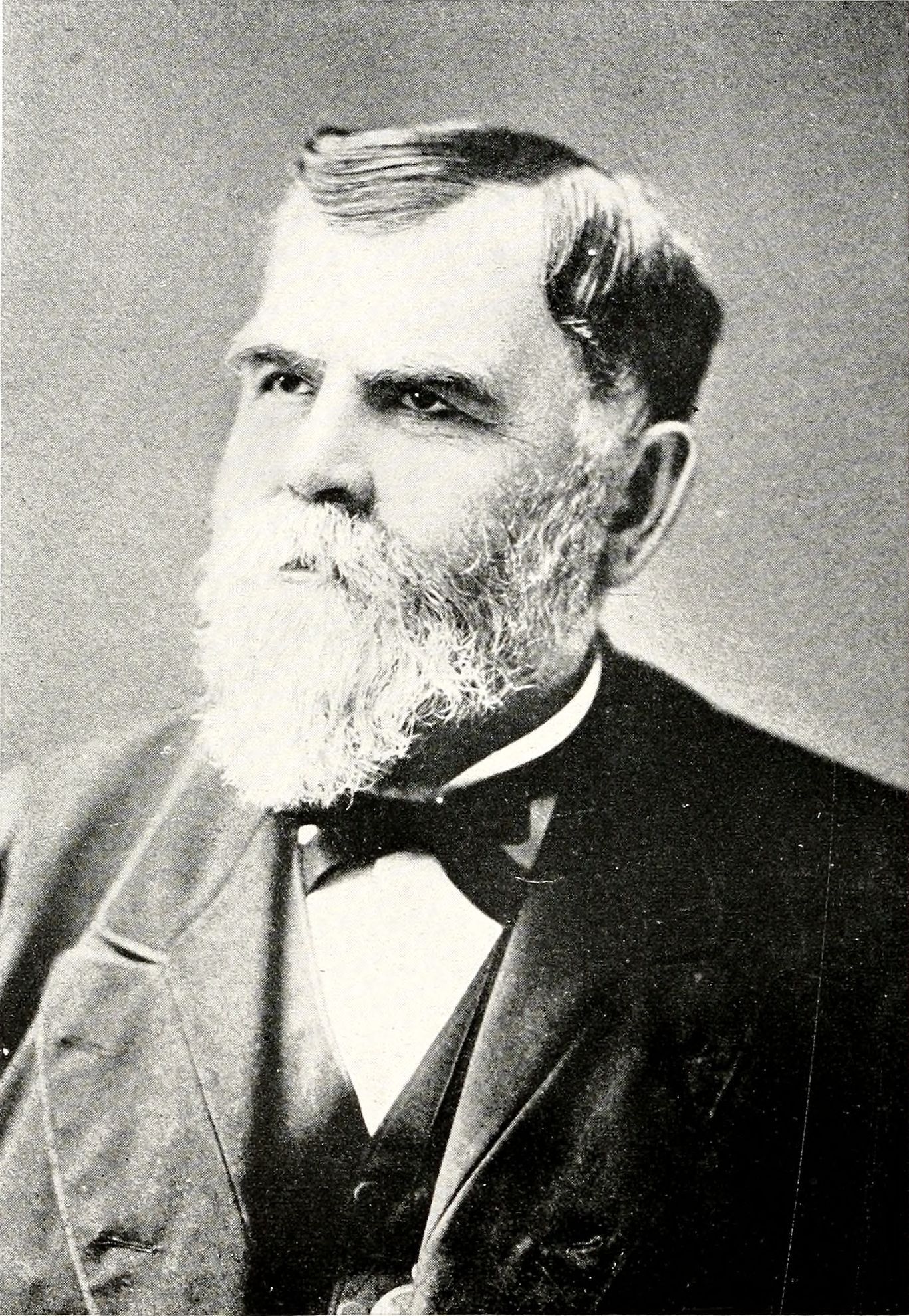
A. C. Gibbs
U.S.A.

Social Media

Personal Background
A. C. Gibbs graduated from a state-run normal school and embarked on a teaching career. He passed the bar in 1849 and relocated to California, later moving to the Oregon Territory. Gibbs became a member of the Oregon Territorial Legislature in 1852 and served as a customs collector. He was elected to the state house in 1860 and subsequently became Governor of Oregon in 1862, serving until 1866. During his tenure, Gibbs raised an infantry regiment in 1864 to quash secessionist movements and focused on settling war claims from conflicts against Native Americans. Despite an unsuccessful bid for the United States Senate in 1866, he continued his legal career as a United States District Attorney and commissioner for war claims. Gibbs faced a controversial removal from office while prosecuting election frauds, after which he returned to private practice.
Political Ideas
A. C. Gibbs's political identity is marked by an intriguing blend of regional advocacy and federal alignment, particularly during the Civil War. He championed infrastructure development in Oregon while simultaneously raising an infantry regiment to support the Union. Gibbs's approach to law and order reveals a tension between his commitment to prosecuting election frauds and his eventual controversial removal from office, showcasing a complex interplay between local and federal authority. His career highlights a strategic focus on protecting regional interests through calculated policy choices.