Albert B. Cummins
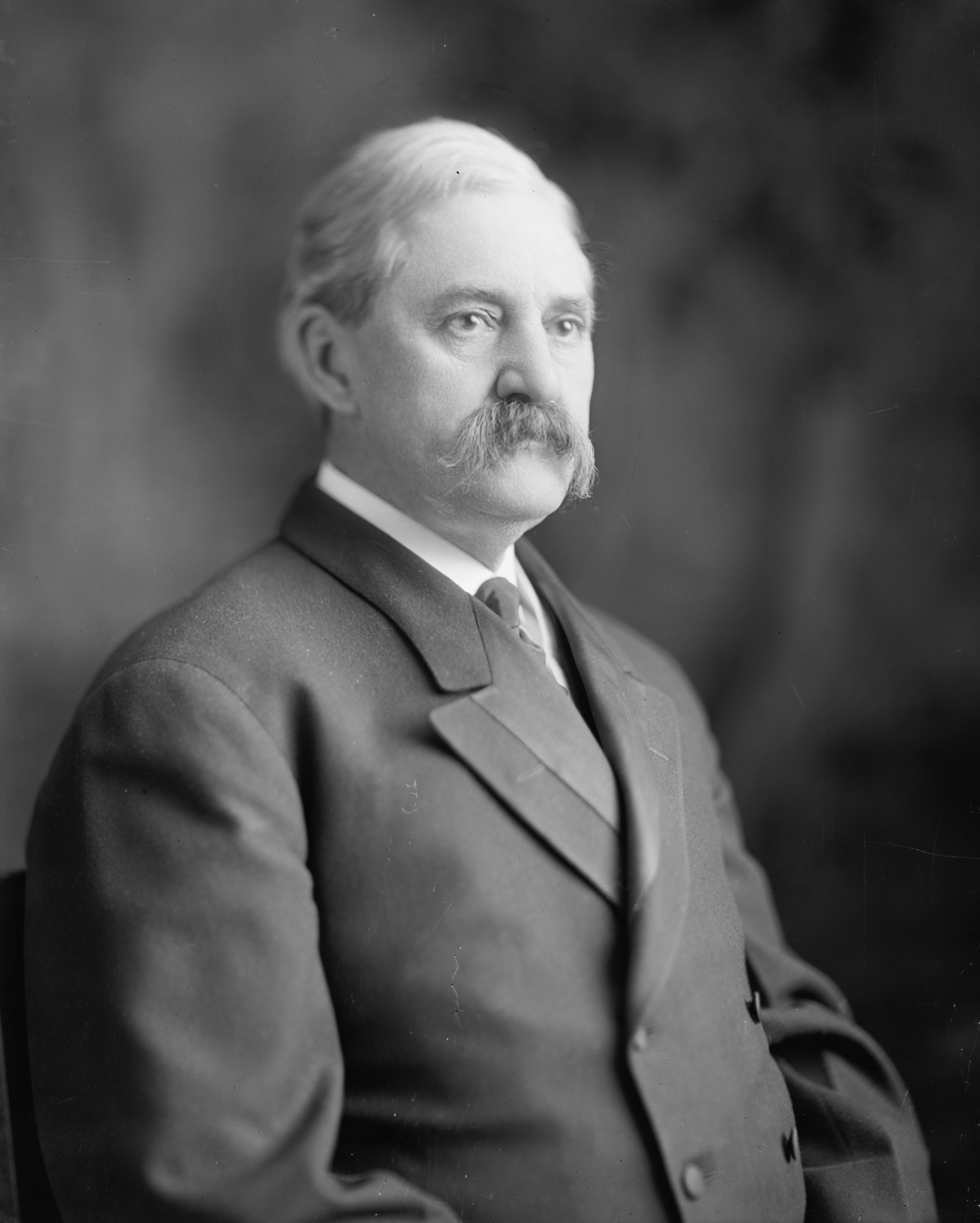
Albert B. Cummins
U.S.A.

Social Media

Personal Background
Albert B. Cummins pursued a diverse range of occupations early in life, including roles as a tutor, teacher, and engineer, before relocating to Indiana in 1871. He studied law in Chicago and practiced in both Chicago and Des Moines, Iowa, where he represented Iowa farmers against a barbed wire trust. Cummins was deeply involved in the Republican Party, participating in numerous state and national conventions and holding various party positions. His wife, Ida L. Cummins, was a notable activist in the suffrage movement and played a key role in shaping Iowa's child labor laws.
Political Ideas
Albert B. Cummins's political identity is marked by a distinctive blend of populism and anti-monopoly advocacy, particularly evident in his legal battles against corporate trusts. His rhetorical style often emphasizes grassroots empowerment and economic fairness, yet his legislative record reveals an unexpected convergence with opposing factions on environmental regulations. This calculated approach hints at a strategic focus on protecting regional industrial interests. Cummins's ideological agility and the influence of his suffrage-activist wife add layers of complexity to his political persona, prompting deeper inquiry into how he balances these seemingly disparate elements.