Albert B. White
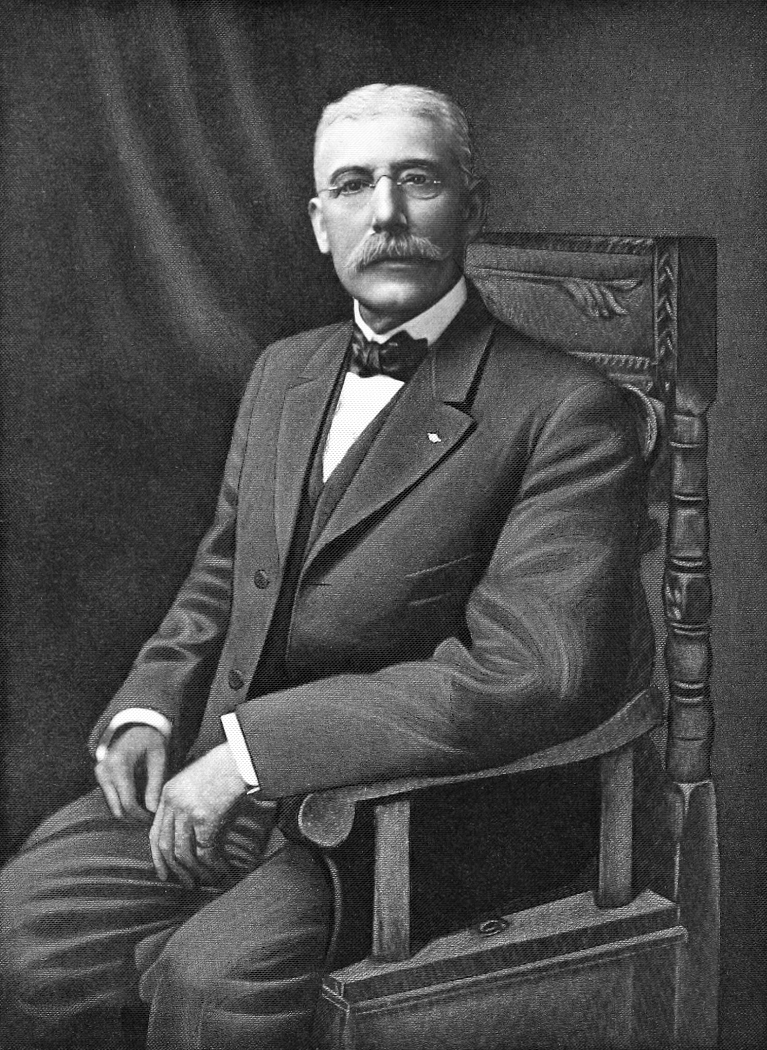
Albert B. White
U.S.A.

Social Media

Personal Background
Albert B. White graduated from Marietta College in 1878 and subsequently relocated to Parkersburg, West Virginia, where he began a career in journalism as a managing editor. He transitioned into public service, serving as the collector of internal revenue for West Virginia under two different presidential administrations. White was elected as the 11th governor of West Virginia, where he implemented policies focused on fiscal responsibility and infrastructure development. Later in his career, he held a position in the West Virginia Senate and advocated for conservation, education, healthcare, and governance reforms.
Political Ideas
Albert B. White's political identity is marked by a curious blend of fiscal conservatism and progressive environmentalism. He consistently advocated for efficient government spending while simultaneously promoting conservation efforts and sustainable resource management. This juxtaposition reveals a highly localized approach, balancing regional economic interests with broader ecological concerns. His rhetorical style consistently emphasized transparency and accountability, suggesting a deeply rooted belief in the integrity of democratic processes.