Albert E. Mead
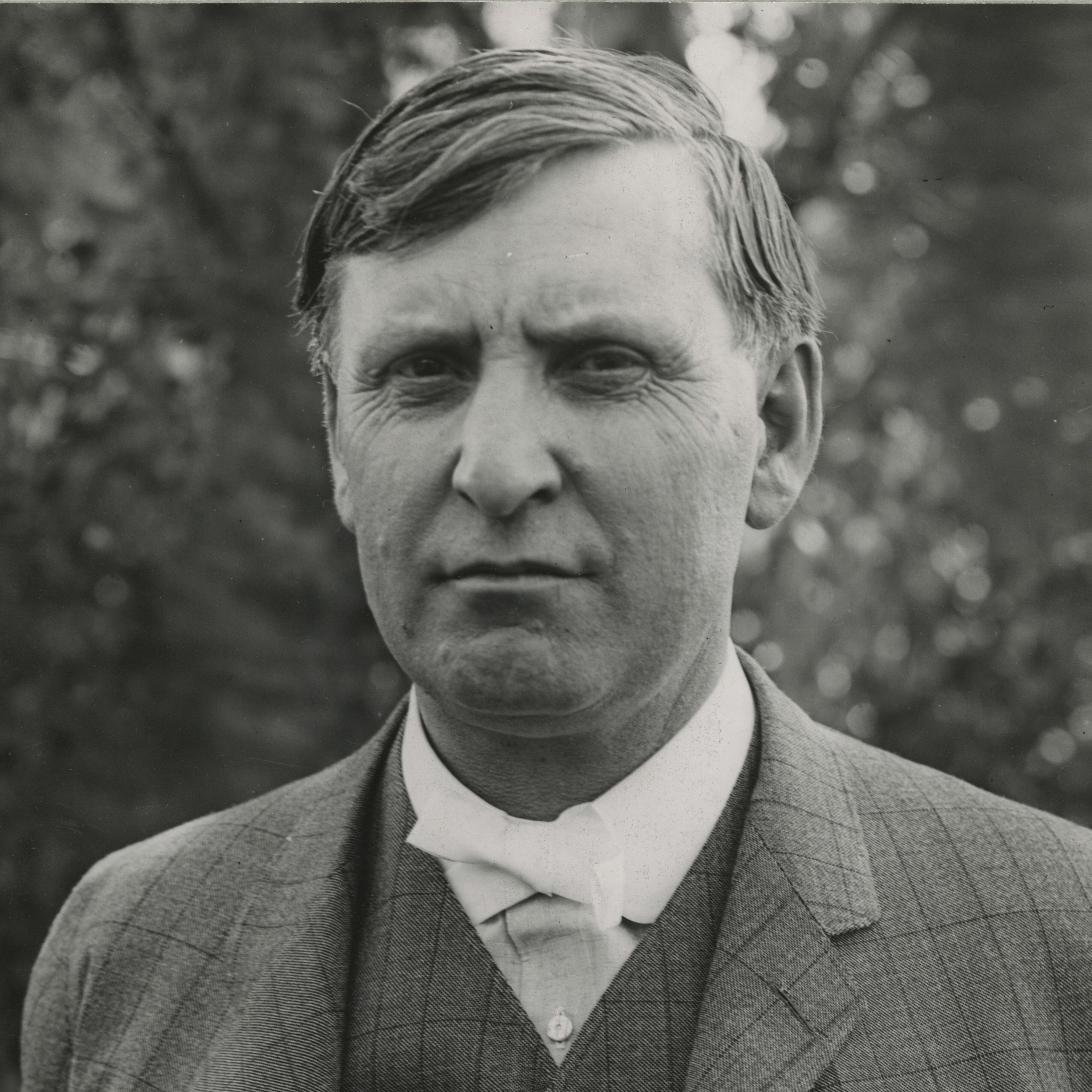
Albert E. Mead
U.S.A.

Social Media

Personal Background
Albert E. Mead graduated from Northwestern University's Union College of Law and moved to Washington Territory in the late 19th century. He served as Mayor of Blaine, Washington, and a member of the Washington State House of Representatives. Mead held the position of prosecuting attorney for Whatcom County before being elected governor of Washington, where he supported legislation establishing key state institutions. Despite a subsequent unsuccessful run for governor under the Progressive Party banner, his career highlights his commitment to public service and institutional development.
Political Ideas
Albert E. Mead's political philosophy blends progressive governance with a focus on state-level economic regulation, as seen in his support for establishing a Railroad Commission and state financial institutions. His ideological positioning shifts notably from mainstream Republican to Progressive, reflecting a strategic alignment with Theodore Roosevelt's influence. Mead's approach reveals a calculated effort to balance regional industrial interests with regulatory oversight, evidenced by his unexpected legislative convergences with opposing factions. His rhetorical style likely emphasized the necessity of state-level interventions to protect local economies, though the specifics remain intriguingly underexplored.