Albert G. Brown
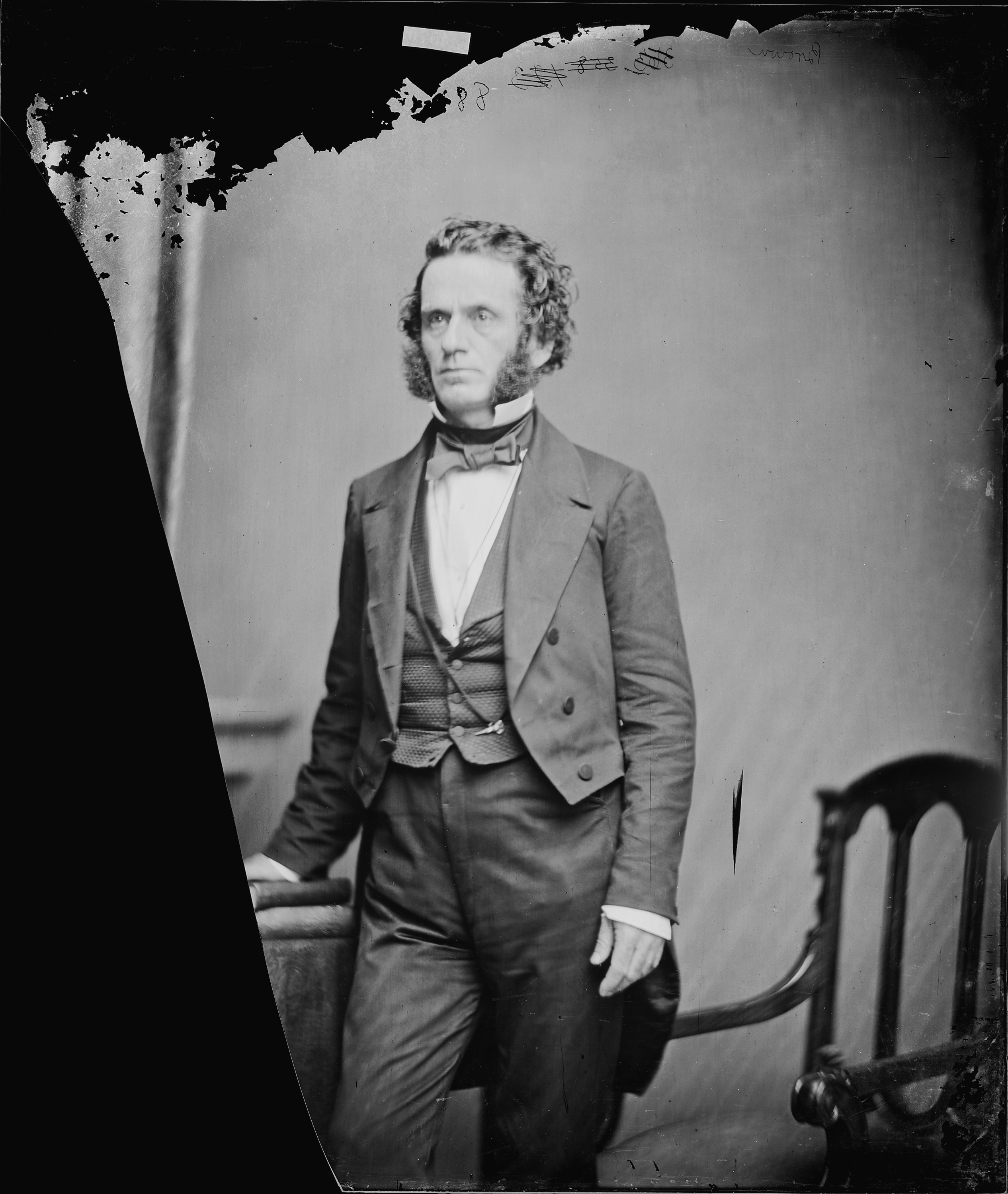
Albert G. Brown
U.S.A.

Social Media

Personal Background
Albert G. Brown spent his formative years in Copiah County, Mississippi, where his father held prominent local positions. He pursued higher education, transitioning between institutions before engaging in large-scale farming and slave ownership. Brown entered public service early, holding various state and federal offices, including governorship and representation in both the House and Senate. His career was marked by a strong advocacy for the expansion of slavery and significant contributions to Mississippi's educational institutions. During the Civil War, he served in the Confederate army and later in the Confederate States Congress, and he advocated for reconciliation post-war.
Political Ideas
Albert G. Brown's political identity is marked by his fervent advocacy for the expansion of slavery, juxtaposed with his efforts to reconcile post-Civil War Mississippi. His ideological rigidity on slavery contrasts sharply with his later calls for reconciliation, revealing a complex approach to regional stability. Brown's rhetorical style, laden with religious metaphors, underscores his unapologetic stance on slavery, while his legislative contributions to education hint at a more nuanced engagement with state development.