Alexander H. Rice
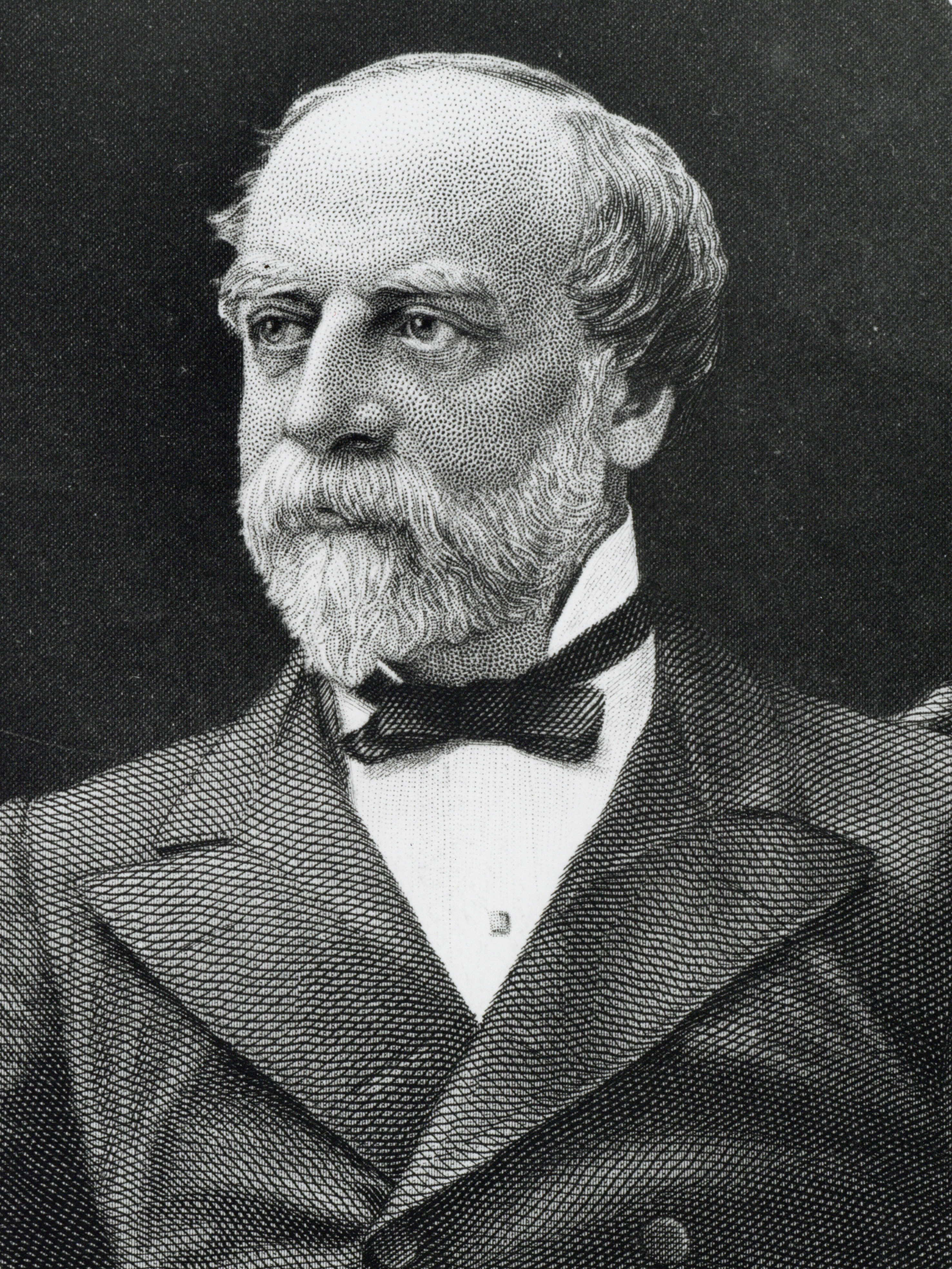
Alexander H. Rice
U.S.A.

Social Media

Personal Background
Alexander H. Rice graduated as valedictorian from Union College and began his career in commerce, gaining experience in dry goods and paper distribution. He co-founded a prominent paper distribution company and held leadership roles in several paper manufacturing firms. Despite a significant business setback from the Great Boston Fire of 1872, his companies remained resilient. Rice transitioned into public service, holding various positions on the Boston City Council, the Boston School Committee, and serving as Mayor of Boston, where he was instrumental in urban development projects. He later served multiple terms in the U.S. House of Representatives and three terms as Governor of Massachusetts, focusing on legislative reforms, including child labor laws and social condition improvements.
Political Ideas
Alexander H. Rice's political identity is marked by a blend of traditional conservatism and progressive pragmatism, particularly in his handling of social issues. His support for a minimum age of fourteen for factory work reveals a nuanced approach to child labor, balancing economic interests with social welfare. Rice's stance on capital punishment, refusing to sign an execution order for a juvenile offender, showcases an unexpected leniency that contrasts with his conservative Republican roots. His commitment to historic preservation, evident in his efforts to save the Old South Meeting House, highlights a unique dedication to cultural heritage amidst a focus on urban development.