Alexander Ramsey
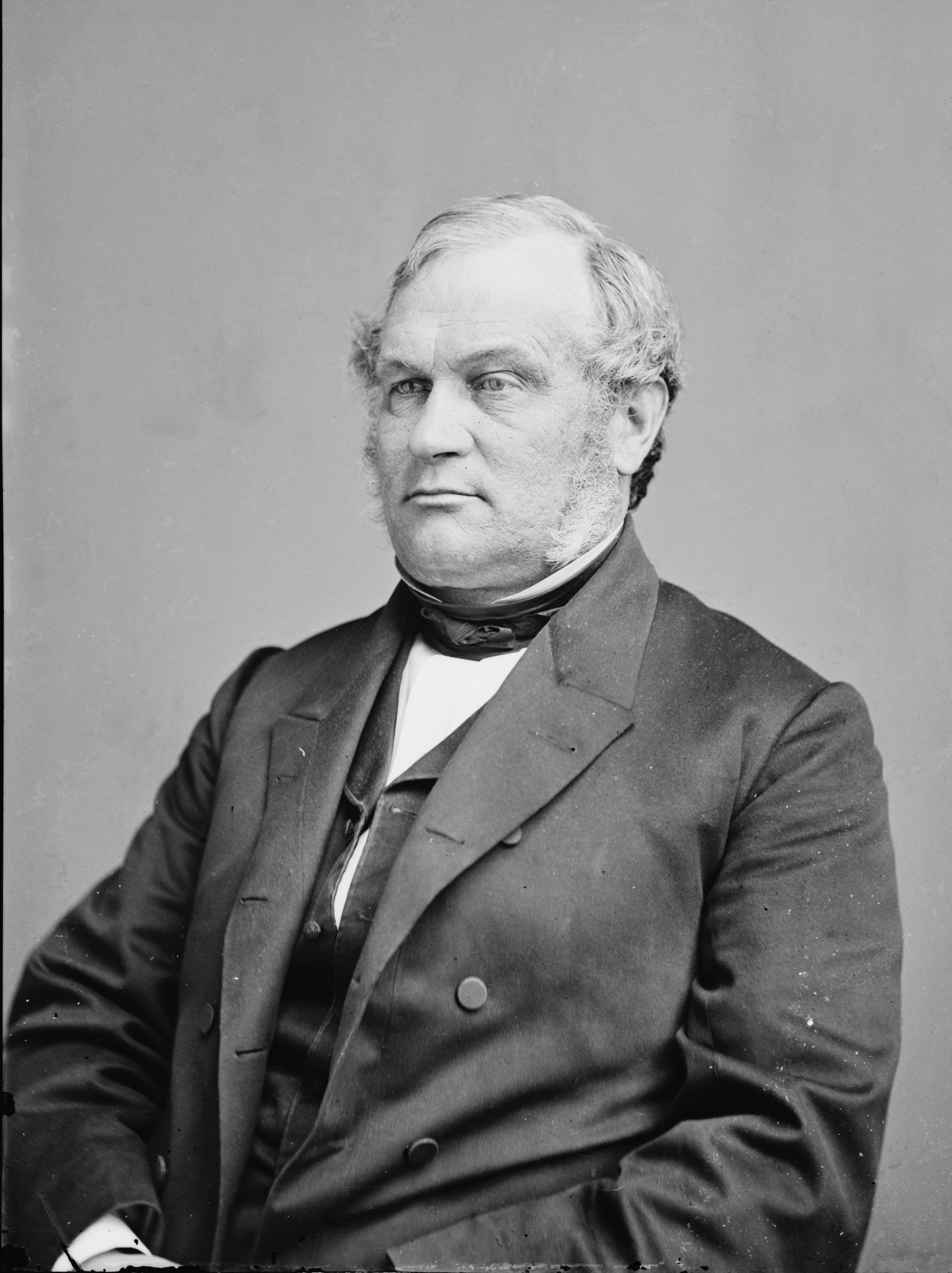
Alexander Ramsey
U.S.A.

Social Media

Personal Background
Alexander Ramsey was admitted to the Pennsylvania bar in 1839, establishing a foundational career in law. He transitioned into public service, serving in the U.S. House of Representatives and later as the first Territorial governor of Minnesota. Ramsey's early life included significant personal challenges, such as his father's bankruptcy and subsequent suicide, which may have influenced his later professional focus on governance and public policy. He later joined the Republican Party and ran for governor of Minnesota, demonstrating a commitment to evolving political landscapes. His extensive public service record underscores a career marked by leadership and dedication to public office.
Political Ideas
Alexander Ramsey's political identity is marked by an intriguing blend of Whig and Republican ideologies, shaped by his early exposure to economic hardship. His legislative record reveals a calculated approach to regional industrial interests, often aligning with opposing factions on environmental regulations. Ramsey's rhetorical style tends to emphasize resilience and public service, drawing from personal experiences of financial ruin and recovery. His shifting political affiliations from Whig to Republican underscore a strategic adaptability in navigating the evolving political landscape.