Anselm J. McLaurin
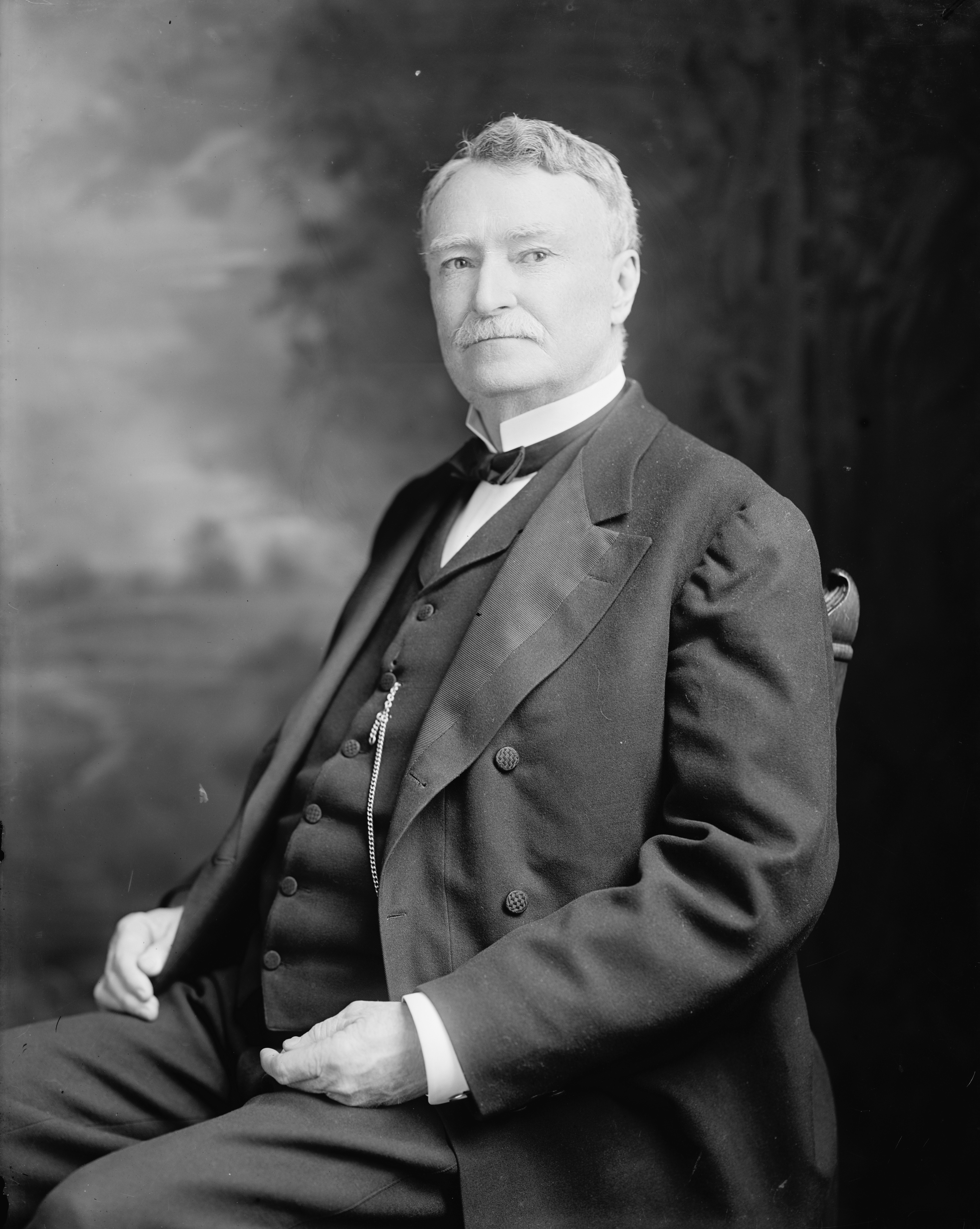
Anselm J. McLaurin
U.S.A.

Social Media

Personal Background
Anselm J. McLaurin began his career as a district attorney at a young age, quickly establishing himself as a prominent lawyer in the state. He played a key role in the convention for the writing of the Mississippi Constitution, where he advocated for free coinage. McLaurin transitioned to the U.S. Senate, where he served multiple terms and was known for his stance on economic issues, particularly the taxation of railroad corporations. He also served as the first Governor of Mississippi under the 1890 Constitution, during which he addressed incidents of racial violence without explicitly condemning them.
Political Ideas
Anselm J. McLaurin's political identity is marked by a curious blend of economic populism and racial conservatism. His advocacy for free coinage reveals an ideological leaning towards economic democratization, yet this is juxtaposed with his support for the 1890 Mississippi Constitution, which entrenched racial segregation and disenfranchisement. McLaurin's silence on the lynching incident in Forest, Mississippi, further complicates his stance on civil rights, suggesting a calculated approach to regional politics. His legislative record shows an unexpected convergence with opposing factions on economic issues, revealing a highly localized strategy aimed at protecting industrial interests.