Arthur Goldberg
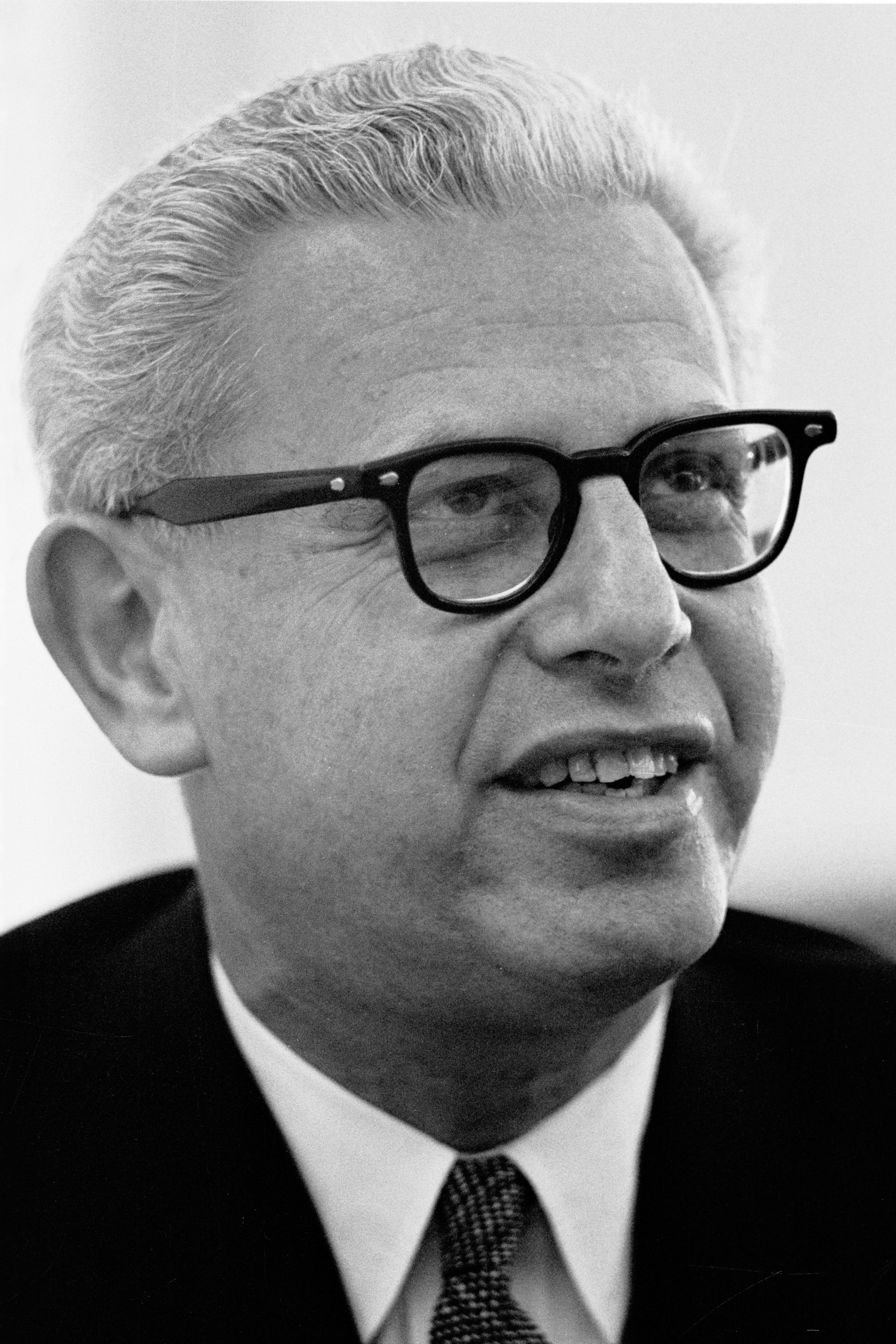
Arthur Goldberg
U.S.A.

Social Media

Personal Background
Arthur Goldberg holds a distinguished academic background, graduating with honors from Northwestern University with both a B.S.L. and a J.D. Early in his career, he established a labor law firm and represented striking workers, which shaped his advocacy for labor rights. He served in the U.S. Army and the Office of Strategic Services during World War II, and later became a key figure in labor unions, eventually joining the CIO and supporting the merger of the AFL and CIO. Goldberg's legal expertise and commitment to civil rights were recognized when he was nominated to the U.S. Supreme Court, where he made significant contributions to landmark cases.
Political Ideas
Arthur Goldberg's political identity is marked by a commitment to labor rights and civil liberties, often aligning with progressive causes while employing a nuanced approach to international diplomacy. His opposition to the death penalty and advocacy for the right to counsel during interrogation reveal a principled stance on constitutional protections. Goldberg's unexpected alignment with opposing factions on environmental regulations indicates a strategic, regionally-focused approach to policymaking. His diplomatic efforts in brokering peace between Greece and Turkey and resolving conflicts with North Korea showcase a calculated blend of idealism and realpolitik.