Arthur T. Hannett
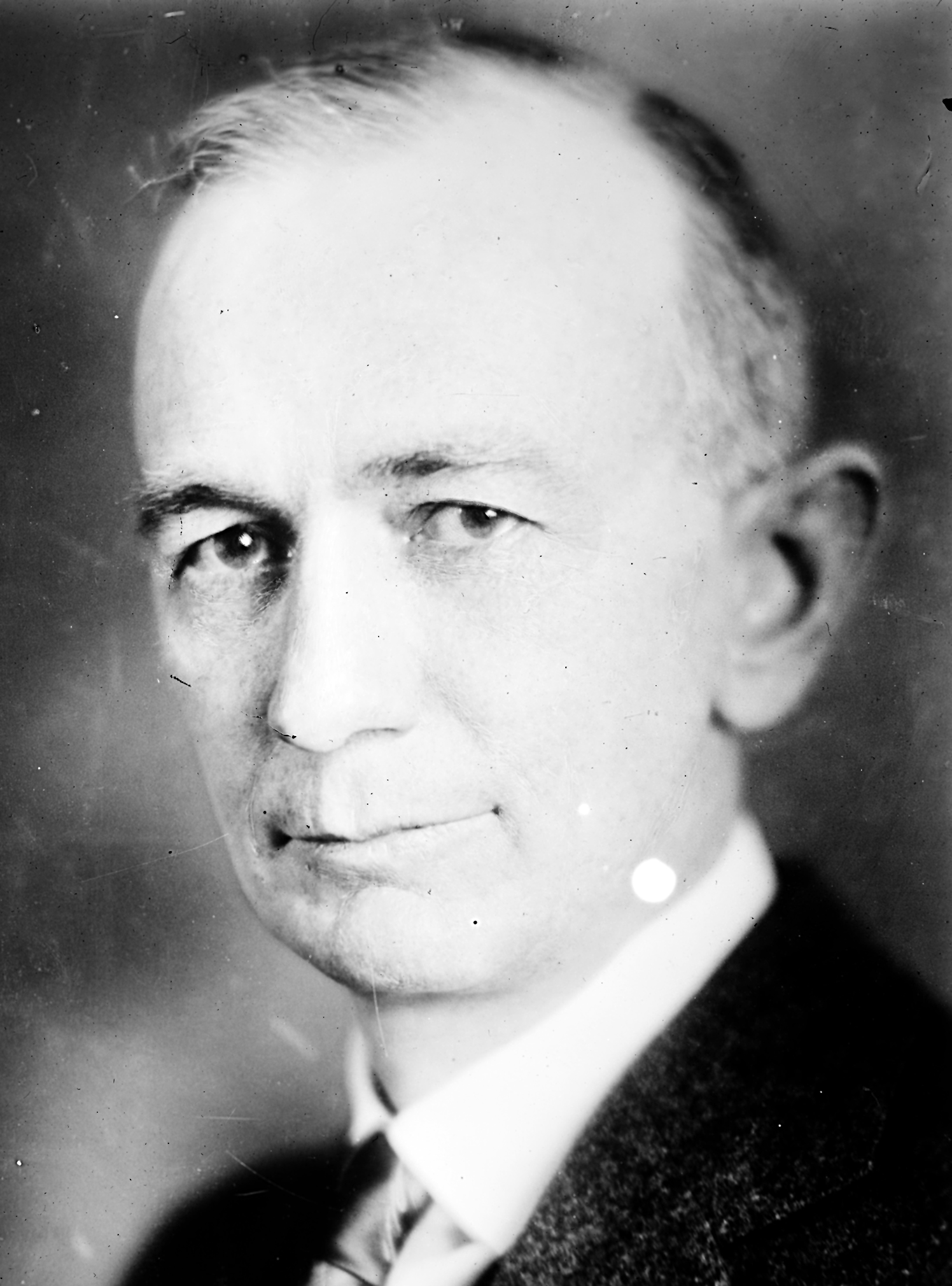
Arthur T. Hannett
U.S.A.

Social Media

Personal Background
Arthur T. Hannett graduated from Syracuse University and subsequently moved to Gallup, New Mexico, where he practiced law. He held various leadership roles, including serving as an alternate delegate to the Democratic National Convention and as Chairman of the New Mexico delegation. Hannett's tenure as Governor of New Mexico saw significant infrastructure and social reforms, such as the rerouting of U.S. Route 66 and initiatives in child labor and teacher retirement. His career transitions reflect a progression from legal practice to public service and governance.
Political Ideas
Arthur T. Hannett's political career is marked by a blend of strategic pragmatism and regional advocacy. His decision to reroute U.S. Route 66 to benefit Albuquerque over Santa Fe hints at a calculated approach to balancing state interests with broader infrastructural goals. Hannett's social reforms, particularly around child labor and teacher retirement, showcase a progressive stance that was ahead of its time. His actions suggest a politician deeply attuned to local dynamics, balancing progressive reforms with a shrewd understanding of regional power structures.