Austin Peay
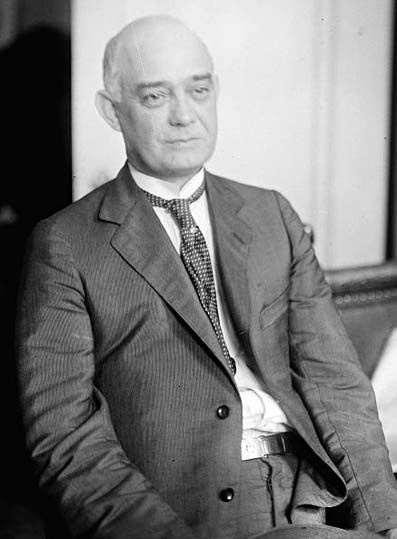
Austin Peay
U.S.A.

Social Media

Personal Background
Austin Peay spent several years in state politics, beginning with his election to the Tennessee House of Representatives. He later chaired the Tennessee Democratic Committee and managed a successful gubernatorial reelection campaign. After a hiatus from state politics, Peay returned, running for governor and eventually winning three terms. During his tenure, he implemented significant administrative, tax, and infrastructure reforms. Peay also focused on education, expanding the school year and increasing university funding. He authorized the creation of state parks and enacted controversial legislation regarding the teaching of evolution.
Political Ideas
Austin Peay's political philosophy is marked by a blend of progressive tax reforms and conservative social policies. He lowered property taxes while introducing corporate taxes, demonstrating a willingness to balance fiscal responsibility with economic equity. Peay's environmental policies, such as creating hunting and fishing reserves, contrast with his controversial support for the Butler Act, which restricted academic freedom. His approach to infrastructure financing, avoiding bonds in favor of current funding, reveals a pragmatic yet ideologically driven strategy.