Beauford H. Jester
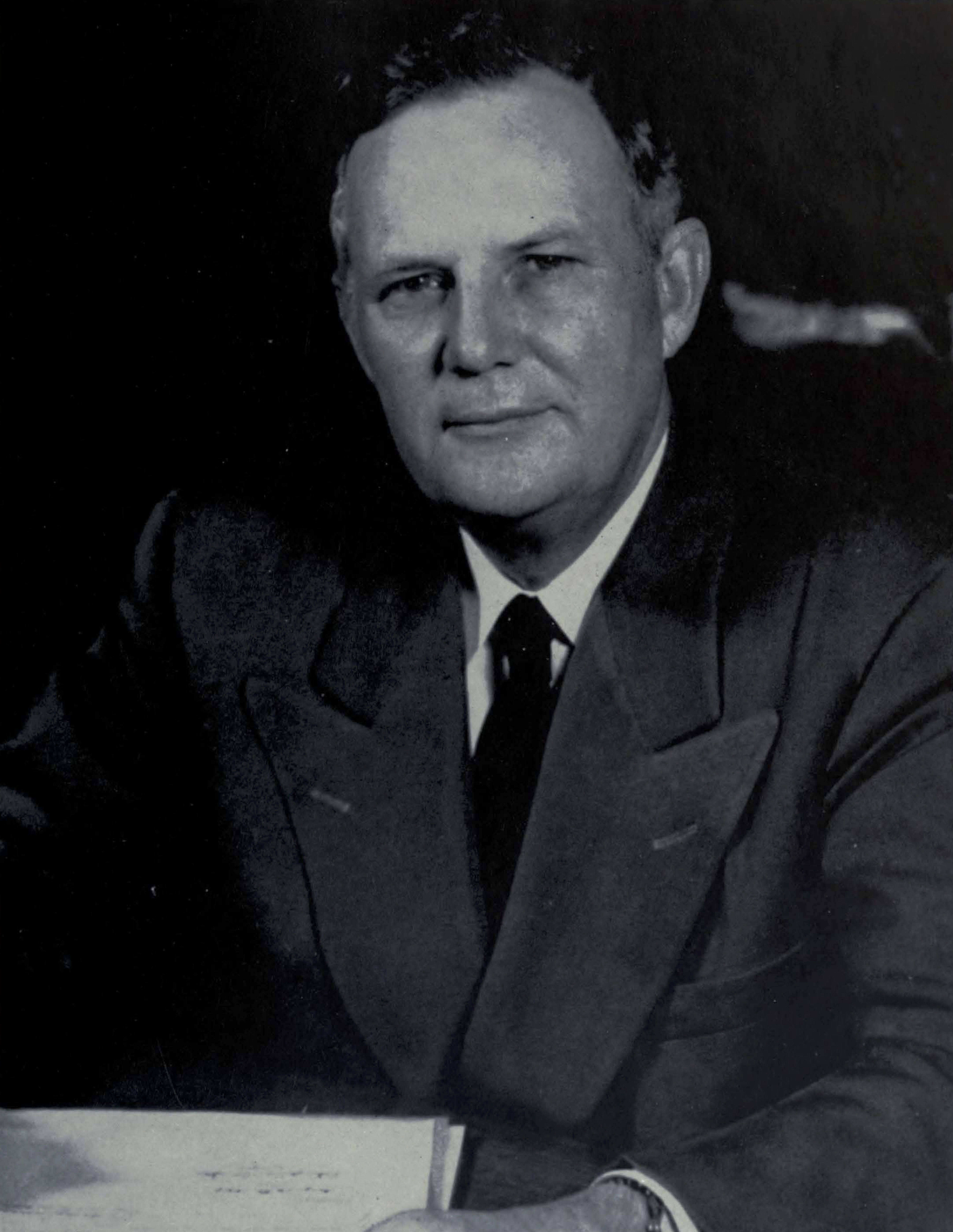
Beauford H. Jester
U.S.A.

Social Media

Personal Background
Beauford H. Jester completed his undergraduate education at the University of Texas at Austin and earned a Bachelor of Laws in 1920. He served in World War I, reaching the rank of captain, and later practiced law in Corsicana. Jester held various leadership roles, including chairman of the University of Texas Board of Regents and president of the Navarro County Bar Association. His career transitioned to public service, where he was elected to the Texas Railroad Commission and later served two terms as governor, during which he implemented significant education reforms and supported civil rights legislation.
Political Ideas
Beauford H. Jester's political philosophy reveals a complex interplay between progressive reforms and conservative economic policies. His support for the Gilmer-Aiken Act, which significantly reformed the state's public school system, contrasts sharply with his backing of right-to-work laws. Jester's tenure also saw increased funding for state hospitals and orphanages, yet he simultaneously enacted legislation that could be seen as limiting labor rights. This juxtaposition of progressive social policies with conservative economic stances suggests a nuanced, perhaps regionally tailored approach to governance.