Benjamin Fitzpatrick
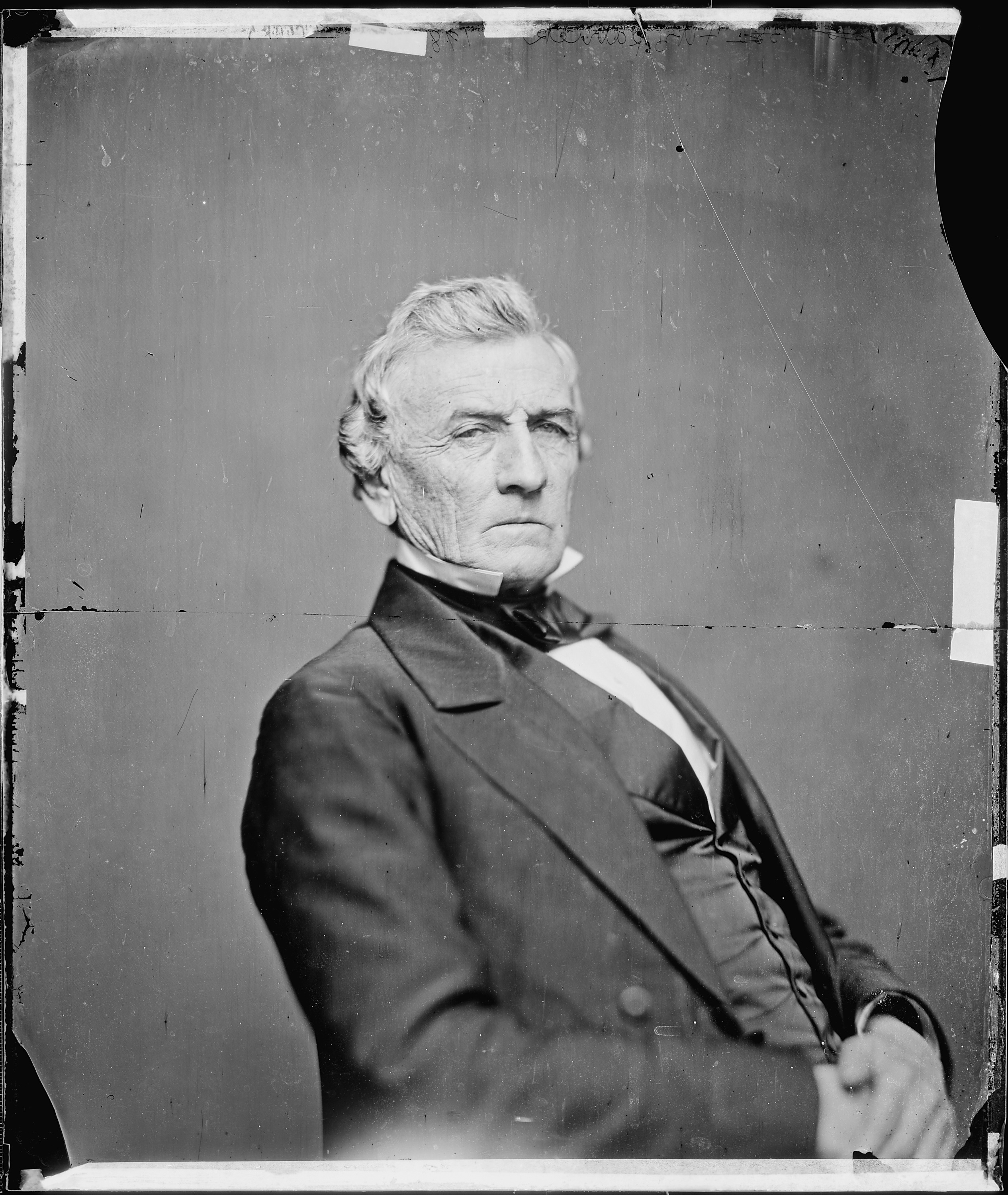
Benjamin Fitzpatrick
U.S.A.

Social Media

Personal Background
Benjamin Fitzpatrick began his career in law, admitted to the bar in 1821, and practiced in Montgomery, Alabama. He transitioned to public service, serving as solicitor of the Montgomery circuit before moving to Autauga County to manage a plantation. Fitzpatrick held significant leadership roles in state and federal government, including serving as Governor of Alabama and multiple terms in the U.S. Senate, where he chaired important committees and served as President pro tempore. Despite being nominated for Vice President in 1860, he declined the position. He later played a role in Alabama's post-Civil War constitutional convention.
Political Ideas
Benjamin Fitzpatrick's political career reveals a calculated approach to regional interests, particularly in balancing fiscal responsibility with the demands of a plantation economy. His legislative leadership in the Senate, coupled with his limited engagement in Confederate politics, showcases a strategic disassociation from broader national conflicts. Fitzpatrick's refusal of the 1860 Vice Presidential nomination hints at a principled stance that transcends party allegiance.