Benjamin Harrison Eaton
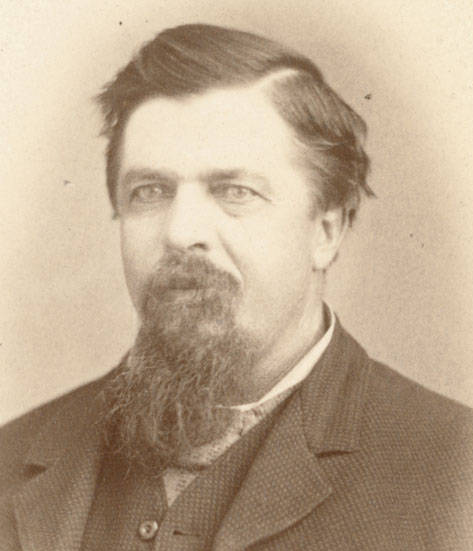
Benjamin Harrison Eaton
U.S.A.

Social Media

Personal Background
Benjamin Harrison Eaton demonstrated a robust foundation in leadership and infrastructure development. He began his career as a school teacher and later transitioned to farming and gold prospecting during the Colorado Gold Rush. Eaton's military service in the American Civil War under Colonel Kit Carson provided him with strategic thinking and discipline. Post-war, he engaged in local governance as a Justice of the Peace and county commissioner, showcasing his commitment to public service. Eaton's expertise in irrigation and infrastructure development was pivotal in establishing critical water systems, including the Larimer and Weld Canal and the High Line Canal.
Political Ideas
Benjamin Harrison Eaton's strategic philosophy centers on infrastructural development as a cornerstone for economic growth, blending a pragmatic approach with a deeply localized focus. His policy stances reveal an unexpected alignment with industrial interests through environmental regulation, suggesting a calculated balancing act. Eaton’s rhetoric emphasizes the symbiotic relationship between water management and agricultural prosperity, showcasing an ideological agility that transcends typical partisan divides.