Benjamin Prescott
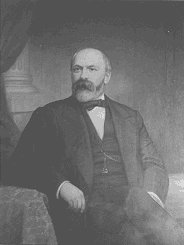
Benjamin Franklin Prescott
U.S.A.

Social Media

Personal Background
Benjamin Prescott completed his early education at prestigious institutions such as Pembroke Academy and Phillips Exeter Academy, followed by a degree from Dartmouth College. He pursued a legal career, gaining admission to the New Hampshire Bar Association and establishing a private practice. Prescott's career included significant roles in both the public and private sectors, such as serving as a special agent for the U.S. Department of the Treasury and holding various state positions, including Secretary of State and Governor of New Hampshire. His leadership extended to party politics, where he held influential roles within the Republican Party and chaired state conventions. Prescott's expertise and influence were further demonstrated through his service on the New Hampshire Board of Railroad Commissioners.
Political Ideas
Benjamin Prescott's political career reveals a strategic blend of traditional Republican values with progressive infrastructure initiatives. His support for state-funded projects like the new Concord prison juxtaposes with his party's typically limited government stance, suggesting a calculated effort to balance fiscal conservatism with pragmatic growth. Prescott's historical and cultural engagements indicate a deep commitment to regional heritage, yet his policy choices reflect an ideological flexibility that challenges conventional party lines. This tension between tradition and innovation in Prescott’s approach makes his political identity particularly intriguing.