Buford Ellington
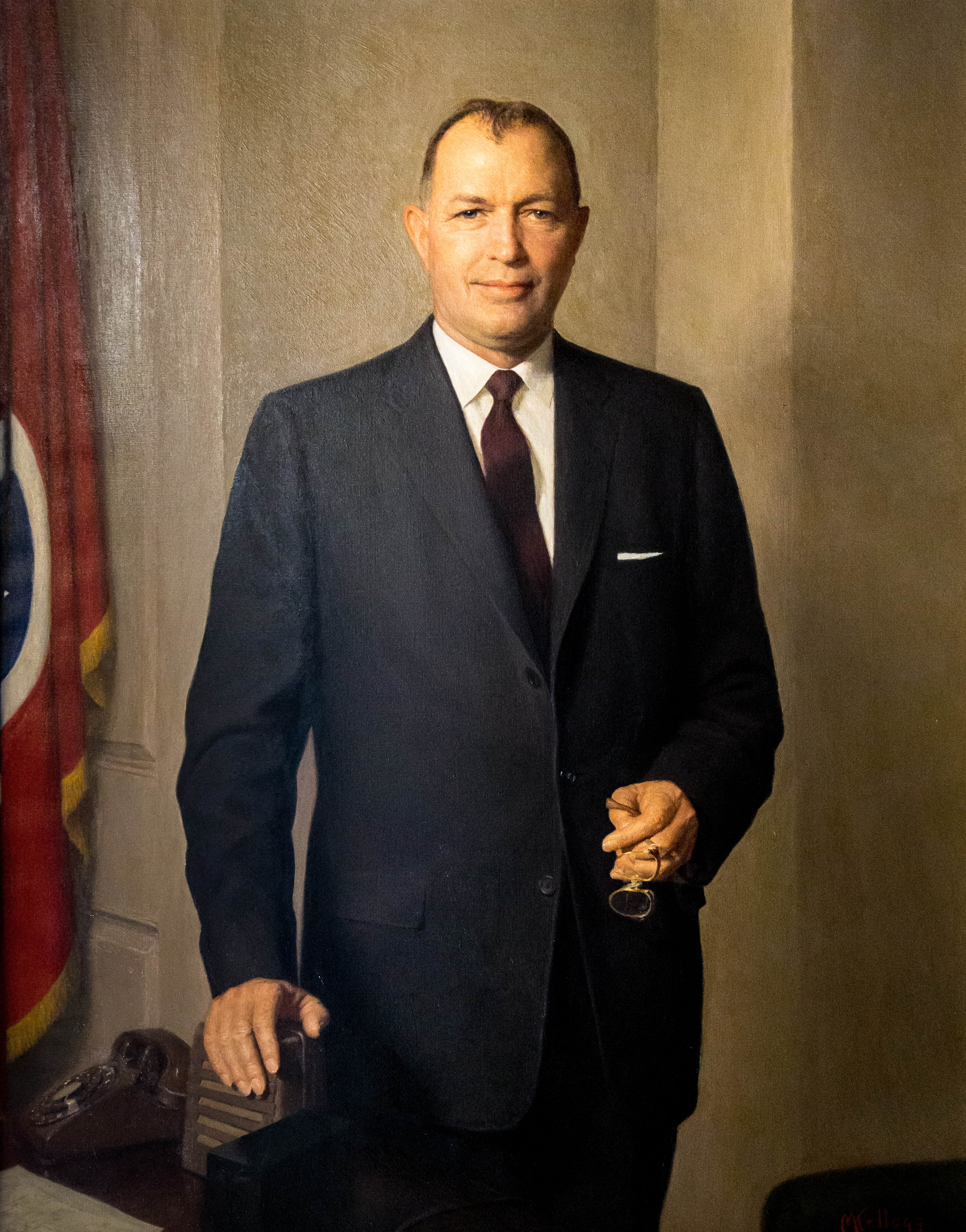
Buford Ellington
U.S.A.

Social Media

Personal Background
Buford Ellington began his career in sales, transitioning into political management during the 1940s. He held various roles within the Democratic Party, including managing campaigns for congressional and gubernatorial candidates. Ellington served in the Tennessee House of Representatives before becoming Commissioner of Agriculture. He was elected governor twice, first in 1958 and again in 1966, during which he shifted from supporting segregation to advocating for its end. Ellington also served in the federal government, notably as Director of the Office of Emergency Planning, where he coordinated relief efforts and facilitated critical civil rights discussions.
Political Ideas
Buford Ellington's political journey is marked by a fascinating ideological evolution, particularly on segregation, which shifts from compliance with desegregation mandates to active support for racial integration. His economic policies, such as advocating for teacher pay raises without tax hikes, demonstrate a pragmatic approach to fiscal matters. Ellington's civil rights record reveals a complex stance, as he mobilized the National Guard to maintain order during racial tensions but also played a pivotal role in bridging gaps between federal and state leaders during the Civil Rights Movement. This blend of cautious pragmatism and progressive policy shifts makes Ellington's political identity both intriguing and thought-provoking.