Burton K. Wheeler
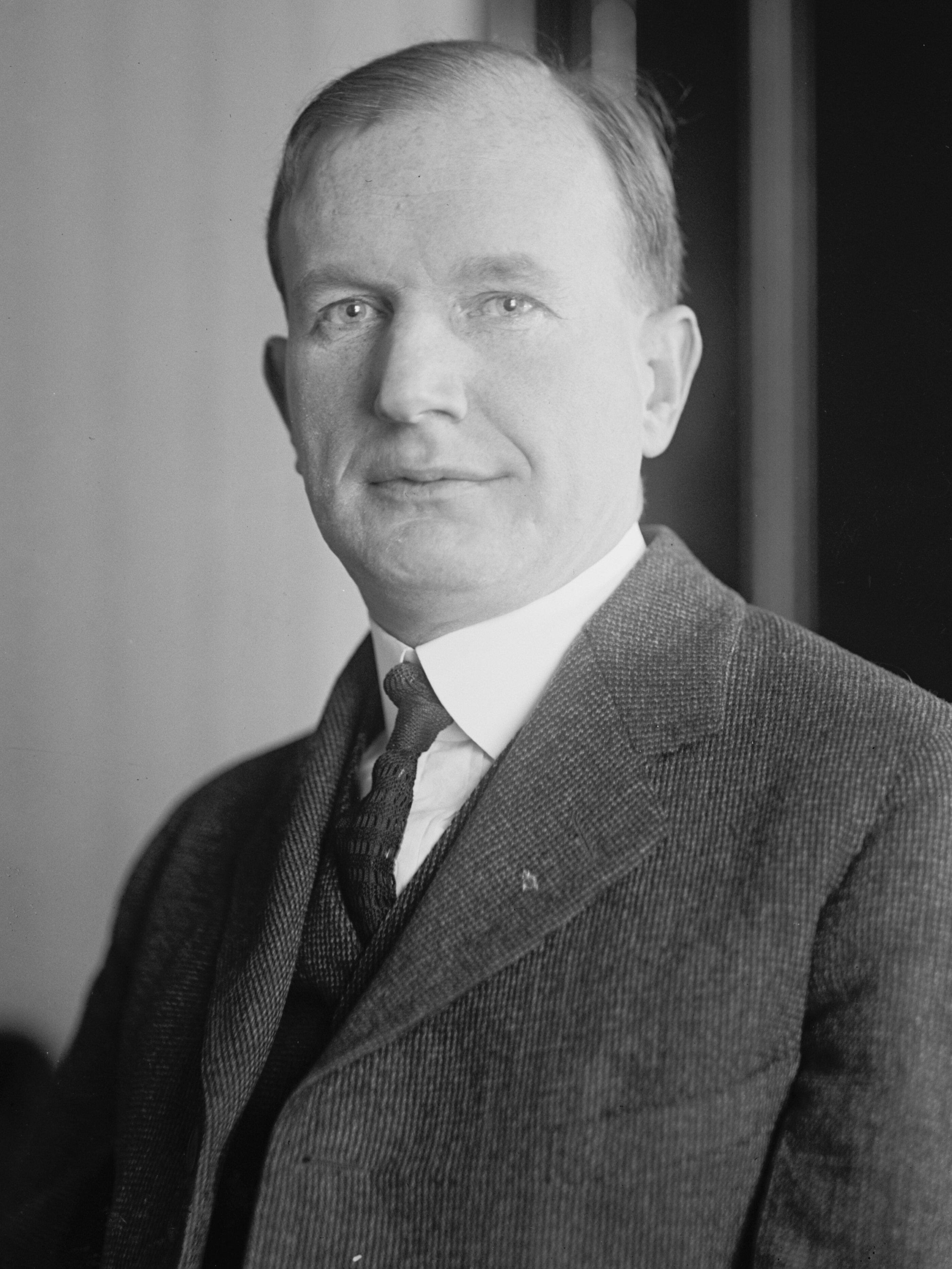
Burton K. Wheeler
U.S.A.

Social Media

Personal Background
Burton K. Wheeler graduated from the University of Michigan Law School and began his career in public service as a Montana state legislator. He later served as U.S. Attorney for Montana, resigning over prosecution issues. Wheeler was elected to the U.S. Senate, where he played a pivotal role in exposing the Teapot Dome scandal. He held various positions and introduced legislation aimed at fair competition and civil liberties, such as limiting AM radio station power and opposing the Sedition Act. Wheeler retired to private practice and later served as counsel in notable hearings.
Political Ideas
Burton K. Wheeler’s political identity is marked by a blend of staunch civil libertarianism and non-interventionist foreign policy, creating an intriguing ideological tension. He fiercely defended civil liberties, opposing the Sedition Act and criticizing the internment of Japanese Americans, while simultaneously supporting restrictive immigration policies. His non-interventionist stance kept him opposed to U.S. involvement in World War II until Pearl Harbor, despite his critical view of interventionist elements in the motion picture industry. Wheeler’s approach to the judiciary reveals a consistent fight against perceived executive overreach, as seen in his opposition to the Judicial Procedures Reform Bill and his role in exposing the Teapot Dome scandal.