Carl Curtis
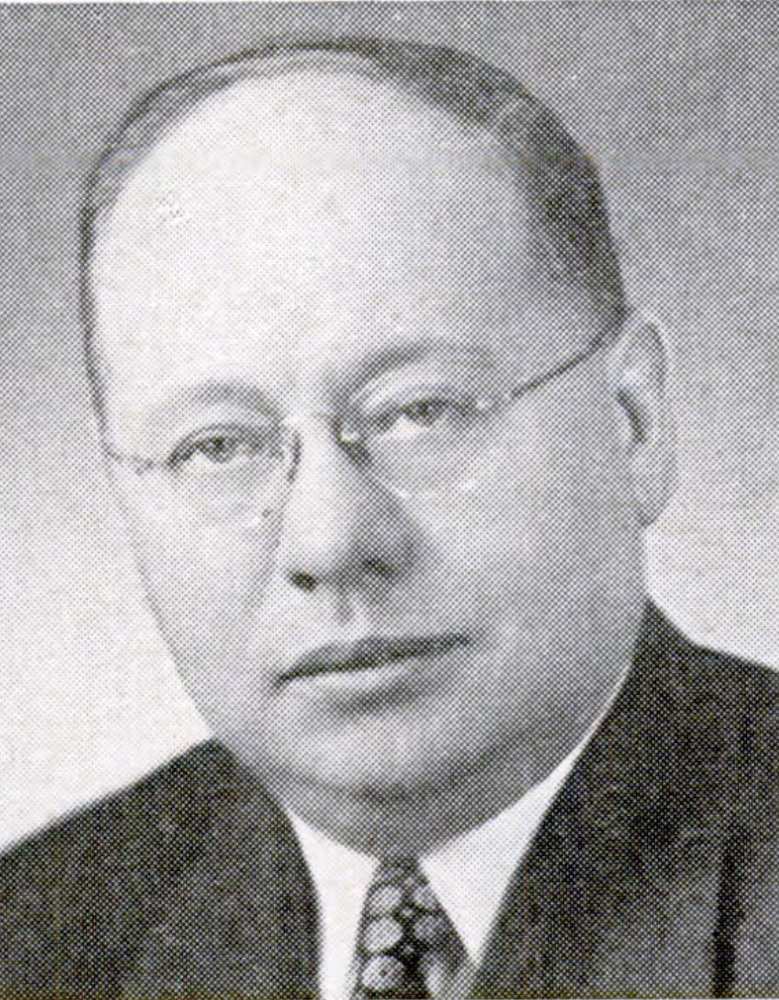
Carl Curtis
U.S.A.

Social Media

Personal Background
Carl Curtis attended Nebraska Wesleyan University, where he studied law and passed the bar exam. He began practicing law and served as county attorney for Kearney County, Nebraska. Curtis spent nearly two decades in the House of Representatives before being elected to the Senate. Throughout his career, he demonstrated expertise in civil rights, anti-communism, fiscal conservatism, and government structure. Curtis held leadership roles, including chairman of the Senate Republican Conference, and investigated organized crime in trade unions.
Political Ideas
Carl Curtis's political career reveals a complex interplay between staunch anti-communist fiscal conservatism and surprising support for civil rights legislation. His votes for multiple Civil Rights Acts, alongside his anti-New Deal stance, illustrate a calculated balancing act between traditional Republican values and progressive social reforms. Curtis's unwavering support for Nixon during Watergate, coupled with his opposition to Nixon's resignation, highlights a rigid adherence to executive power dynamics. His role in investigating organized crime within trade unions further underscores an unexpected focus on internal corruption, revealing a multifaceted approach to governance.