Carl E. Bailey
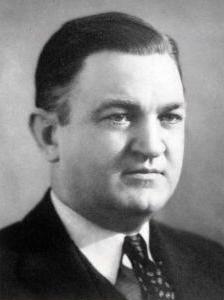
Carl E. Bailey
U.S.A.

Social Media

Personal Background
Carl E. Bailey graduated from high school and attended Chillicothe Business College, where he studied bookkeeping and accounting. He moved to Arkansas, where he was admitted to the bar and opened a private law practice. Bailey served in various prosecutorial roles before being elected governor of Arkansas, where he supported New Deal programs and established key state institutions. After his governorship, he founded a business and remained influential in state politics.
Political Ideas
Carl E. Bailey's political career is marked by a blend of progressive policy advocacy and principled integrity. His unwavering support for New Deal initiatives, coupled with his refusal of a bribe from a notorious mobster, showcases a commitment to ethical governance. Bailey's establishment of key state institutions, such as the agricultural experiment station and the Department of Public Welfare, reveals a forward-thinking approach to regional development. His post-governorship influence, particularly in backing J. William Fulbright's Senate bid, indicates a strategic network of political alliances. These elements together paint a picture of a politician who balances progressive reforms with a steadfast moral compass.