Carl Sanders
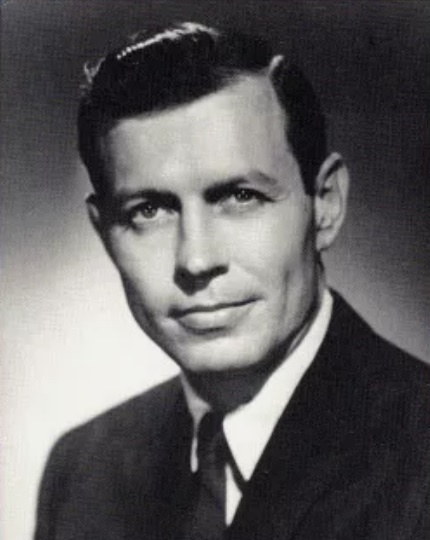
Carl Sanders
U.S.A.

Social Media

Personal Background
Carl Sanders holds a robust educational background, having attended the University of Georgia on a football scholarship and subsequently completing law studies there. He served in the United States Army Air Forces during World War II, gaining leadership experience as a lieutenant. Post-war, he practiced law in Georgia and embarked on a legislative career, rising to significant leadership roles in the Georgia State Senate. Sanders transitioned into the private sector, co-founding a prominent law firm and later leading a major financial institution. His career achievements and transitions reflect a blend of legal expertise, leadership in public service, and strategic acumen in the corporate world.
Political Ideas
Carl Sanders's political identity is marked by a unique blend of fiscal conservatism and cautious progressivism. He advocated for a pay-as-you-go system for rural road projects, showcasing a disciplined approach to public spending. Sanders's stance on education reveals a tension between his resistance to closing schools during desegregation and his opposition to a statewide referendum on the issue, suggesting a nuanced view on civil rights. His military service and attendance at Martin Luther King Jr.'s funeral indicate a complex relationship with civil rights, further complicated by his personal animosity towards Julian Bond.