Charles Andrews
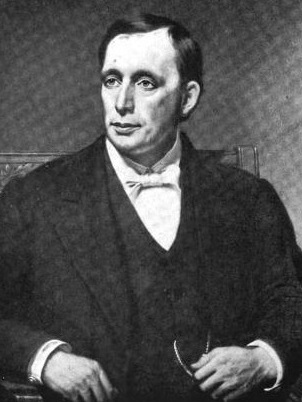
Charles Bartlett Andrews
U.S.A.

Social Media

Personal Background
Charles Andrews graduated from Amherst College and was admitted to the bar in 1861. He established a law practice in Litchfield, Connecticut, and became a partner in a prominent local firm. Andrews transitioned into public service, serving in both the Connecticut State Senate and House of Representatives, where he chaired the Judiciary Committee. He served as Governor of Connecticut, during which he recommended judges for the State Supreme Court, resolved a boundary line dispute, and enacted progressive reforms including the incorporation of joint-stock companies and a new jury law. Following his governorship, Andrews continued his legal career, culminating in his appointment to the Connecticut Superior Court, where he served as chief justice.
Political Ideas
Charles Andrews blends traditional conservatism with progressive economic reforms, advocating for judicial appointments by the governor while simultaneously promoting the incorporation of joint-stock companies. His legislative record reveals a calculated approach to regional industrial interests, evidenced by unexpected alliances on environmental regulations. Andrews’s tenure as Governor of Connecticut highlights a unique combination of ending disputes and advancing economic modernization. His judicial philosophy, marked by support for progressive jury laws, underscores a nuanced stance on legal reforms.