Charles C. Van Zandt
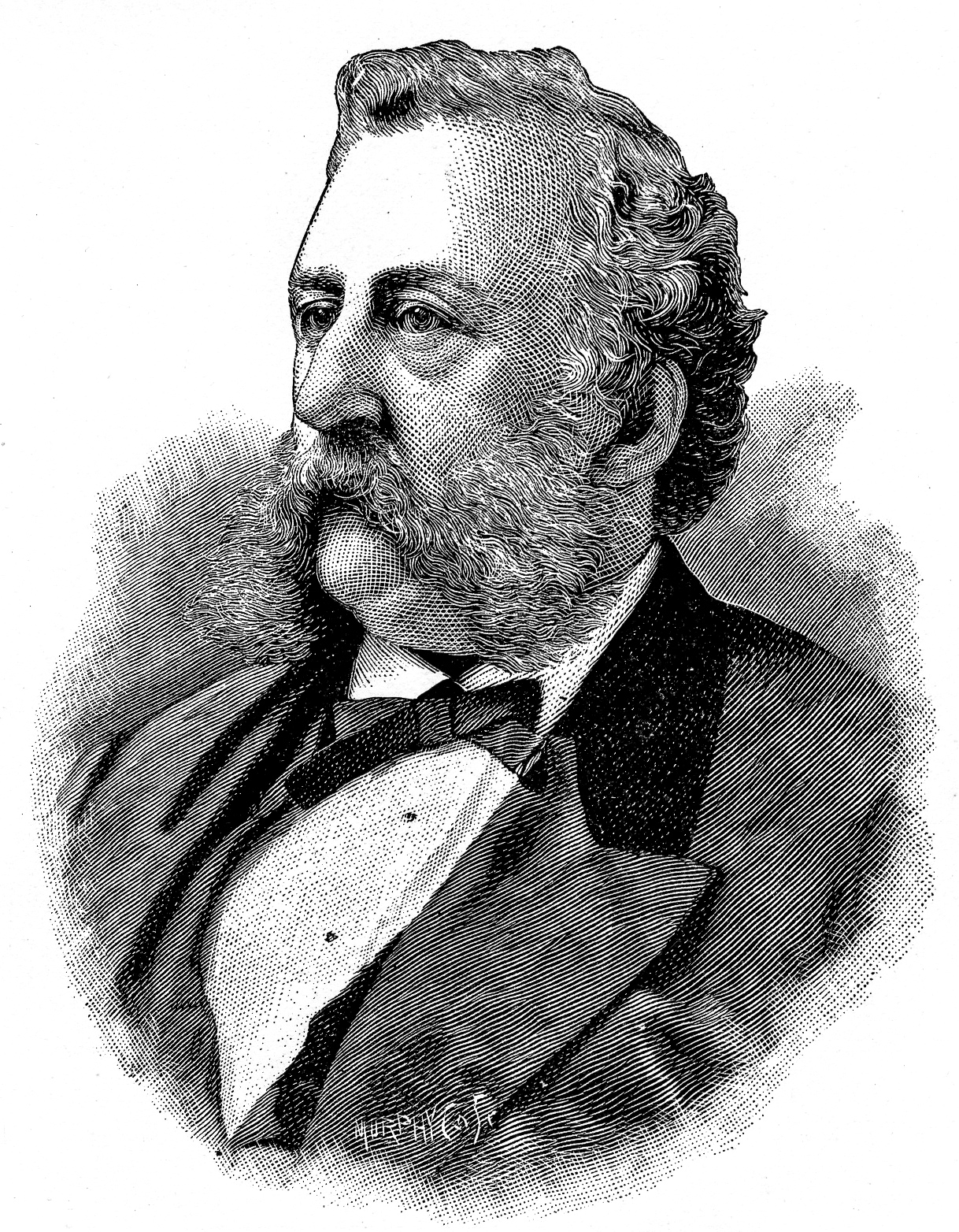
Charles C. Van Zandt
U.S.A.

Social Media

Personal Background
Charles C. Van Zandt graduated from Trinity College in 1851 and was admitted to the bar two years later. He began his political career in Newport, serving as City Solicitor and clerk of the Rhode Island House of Representatives before being elected to the House in 1857. Van Zandt later became Speaker of the House and held various state-level positions, including State Senator and Lieutenant Governor. He served as Governor of Rhode Island from 1877 to 1880, during which he emphasized expanding the state's educational system.
Political Ideas
Charles C. Van Zandt's political identity is marked by a distinctive blend of progressive social policies and fiscal conservatism. His commitment to expanding the educational system, especially for urban immigrants, reveals an ideological agility that balances social equity with economic prudence. Van Zandt's legislative record often shows surprising alliances with opposing factions on environmental regulations, suggesting a calculated approach to balancing industrial interests with broader societal needs. His rhetorical style tends to emphasize community-centric solutions, often framing issues in a way that highlights local benefits over partisan divides. This combination of progressive social policies with a conservative fiscal stance creates a unique ideological positioning that invites further exploration into his justifications and strategies.