Charles Carnan Ridgely
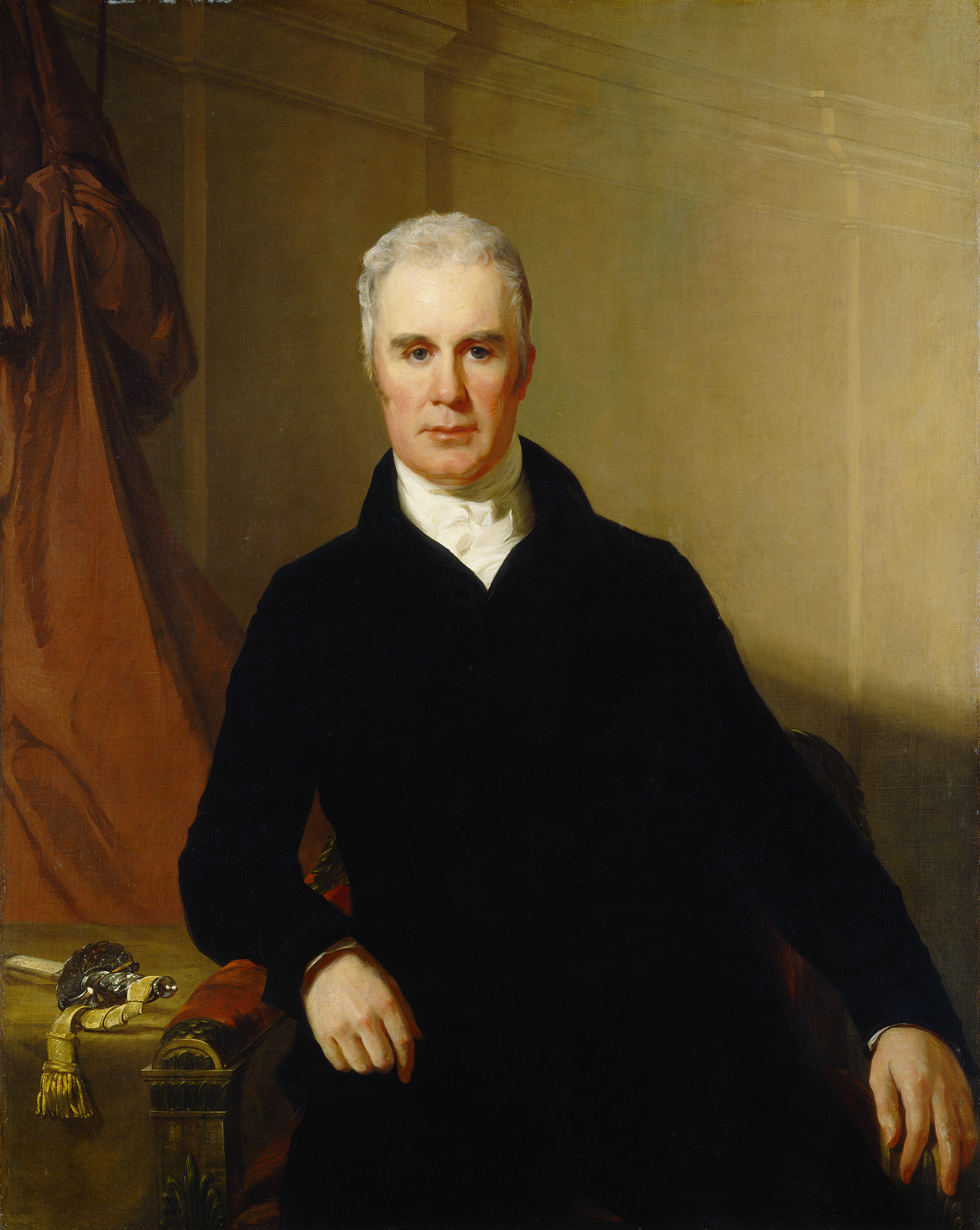
Charles Carnan Ridgely
U.S.A.

Social Media

Personal Background
Charles Carnan Ridgely, born in 1760 in Baltimore, inherited the Hampton estate, which he expanded into a diverse and expansive agricultural and industrial enterprise. He held various political offices, including serving in the Maryland House of Delegates and the Maryland State Senate, and later becoming the 15th Governor of Maryland. Ridgely focused on public service, particularly in internal improvements, education, and economic prosperity. He passed legislation to establish free schools and created the Commissioners of the School Fund, significantly contributing to the state's educational infrastructure.
Political Ideas
Charles Carnan Ridgely's political identity is marked by a unique blend of progressive economic policies and a reliance on slave labor, creating a complex ideological tension. He championed internal improvements and public education while simultaneously owning over 300 slaves. His legislative initiatives aimed at state prosperity and education reform contrast sharply with his personal reliance on enslaved labor, prompting questions about the consistency of his values. Ridgely's rhetorical style likely navigated these contradictions with a focus on regional economic growth, leaving his audience to grapple with the ethical implications of his policies.