Charles F. Hurley
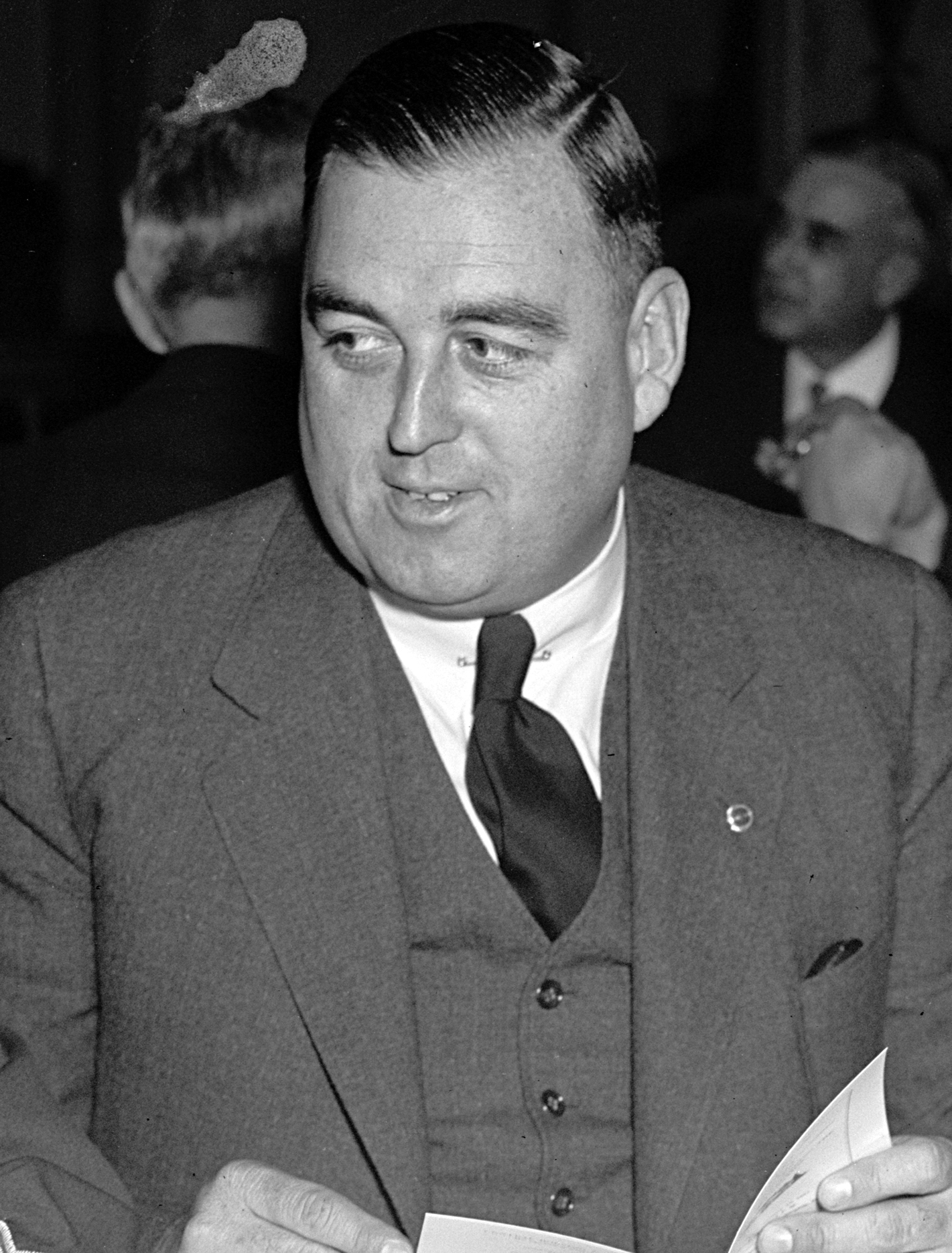
Charles F. Hurley
U.S.A.

Social Media

Personal Background
Charles F. Hurley attended Boston College High School and later Boston College before embarking on a career in sales. He served in the United States Navy during World War I, specializing in radio intelligence. Post-war, Hurley entered the real estate business and married into the Conley family, with whom he had five children. He began his political career by being elected to the Cambridge school committee and later served as Massachusetts State Treasurer. As governor, he focused on civil service reform, labor practices, and education, while also managing the state's response to the New England Hurricane of 1938. After his political career, Hurley served as a trustee for the Cambridge Public Library.
Political Ideas
Charles F. Hurley's political philosophy is marked by a blend of progressive labor reforms and a cautious approach to civil liberties. He championed minimum wage laws and labor rights while vetoing a controversial loyalty oath for teachers, showcasing a nuanced stance on individual freedoms. His introduction of Plan E in municipal governance reveals a calculated effort to modernize local government structures, balancing efficiency with democratic representation. Hurley's approach to regional industrial interests, as seen in his handling of environmental regulations, suggests a strategic alignment with opposing factions to protect local economic stability.