Charles Jackson
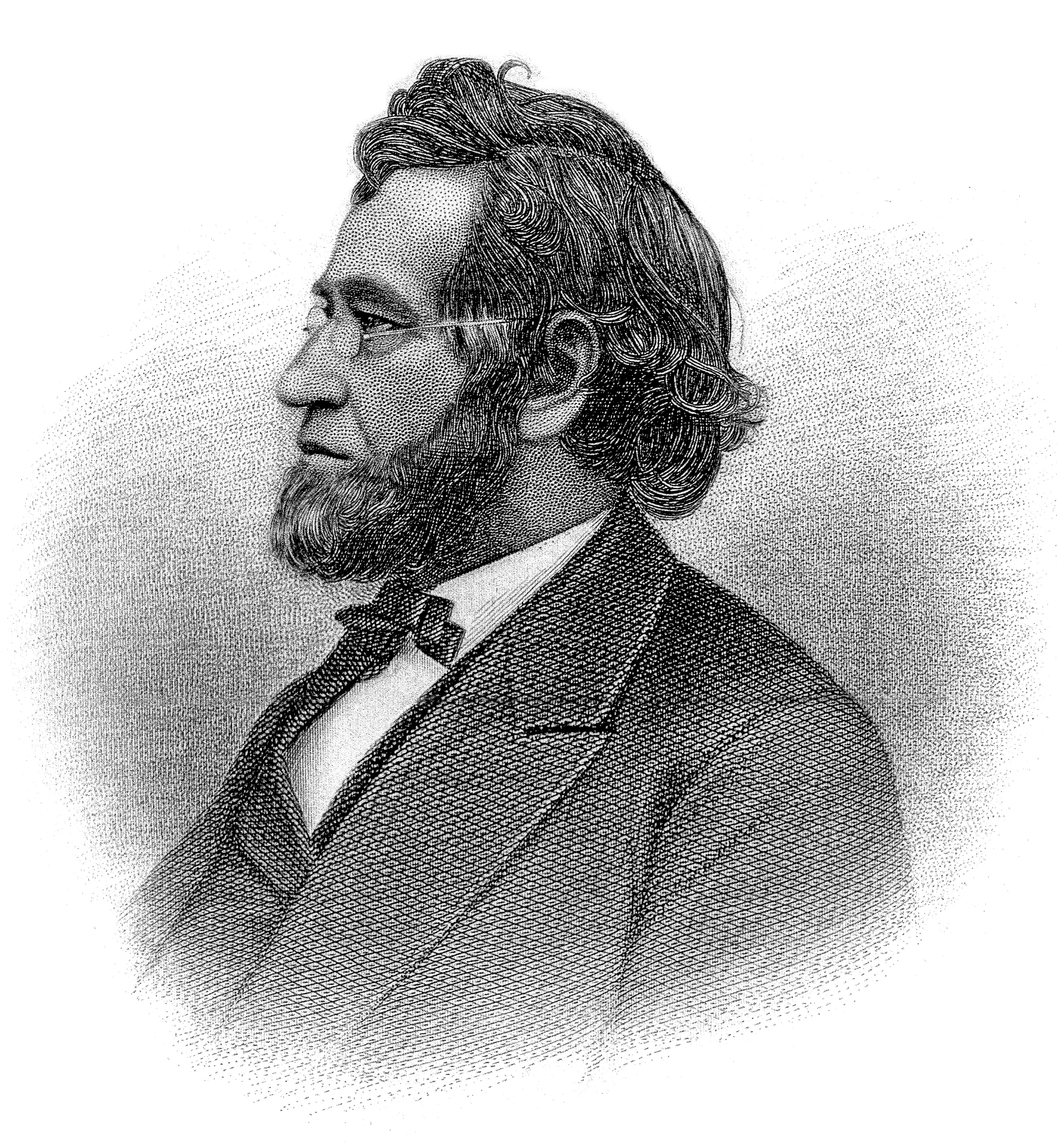
Charles Jackson
U.S.A.

Social Media

Personal Background
Charles Jackson holds a strong educational background, having graduated from Brown University and earned a Master's degree. He pursued a legal career, studying law and becoming a member of the bar. Jackson's business acumen is evident through his involvement in diverse industries, including cotton manufacturing, rubber production, and the manufacturing of firearms and railroad equipment. His leadership roles in the Rhode Island House of Representatives, where he served as Speaker, and his tenure as Governor, highlight his political experience and commitment to the Liberation Movement, particularly in advocating for the release of individuals imprisoned due to the Dorr Rebellion.
Political Ideas
Charles Jackson's political identity is marked by an intriguing blend of business acumen and radical advocacy. His legislative career reveals an unexpected convergence with opposing factions on civil liberties, particularly through his support for the Liberation Movement. Jackson's business ventures in manufacturing and his advocacy for freeing Dorr Rebellion prisoners suggest a calculated approach to balancing economic interests with moral imperatives. His ideological agility is further evidenced by his shift from the Whig to the Democratic party, highlighting a willingness to transcend traditional party lines for the sake of principle.