Charles M. Smith
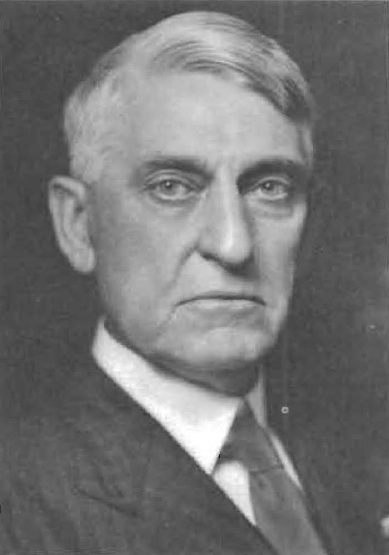
Charles M. Smith
U.S.A.

Social Media

Personal Background
Charles M. Smith graduated from Dartmouth College and began his career as a private secretary to a former Vermont Governor. He later became President of a prominent savings bank, where he managed significant financial operations. Smith transitioned to public service, serving in both state legislative bodies and as Lieutenant Governor before becoming Governor. Throughout his career, he demonstrated leadership in economic policy, notably advocating for old age pensions and unemployment compensation. Despite facing a personal scandal involving embezzlement, he maintained public trust through his political career.
Political Ideas
Charles M. Smith's political career reveals a complex blend of progressive social policies and ethically questionable actions. His support for old age pensions and unemployment compensation laws indicates a commitment to social welfare, yet his concealment of a significant embezzlement scandal casts a shadow over his integrity. This juxtaposition of progressive policy advocacy and personal ethical lapses presents an intriguing tension in his political identity, prompting deeper inquiry into how he reconciles these seemingly contradictory elements.