Charles N. Haskell
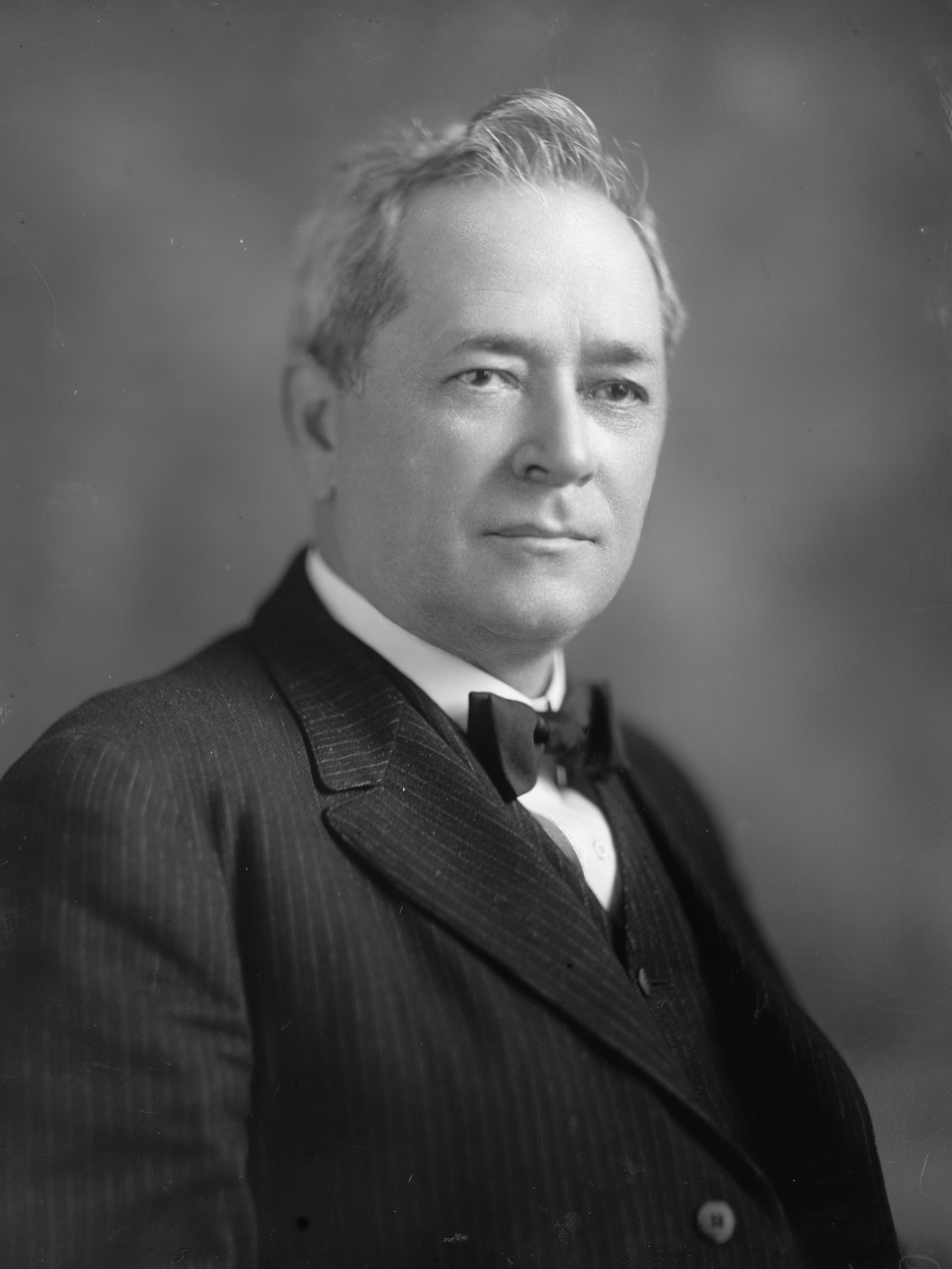
Charles N. Haskell
U.S.A.

Social Media

Personal Background
Charles N. Haskell began his career as a schoolteacher after earning a teaching certificate at age 17. He transitioned to law, passing the bar exam and becoming a practicing attorney. Haskell later ventured into construction and contracting, gaining significant experience in the private sector. His career included prominent roles in the Democratic Party and involvement in the politics of Indian Territory. Haskell authored a substantial portion of the proposed state constitution and was elected as a delegate to the Oklahoma Constitutional Convention. His leadership and influence culminated in his election as governor, during which he implemented various reforms and established key state institutions.
Political Ideas
Charles N. Haskell's political identity is marked by a calculated blend of progressive reforms and regressive social policies. He championed banking regulation and industrial growth while simultaneously enforcing prohibition and enacting Jim Crow laws. Haskell's strategic move to relocate the state capital from Guthrie to Oklahoma City reveals a pragmatic yet calculated approach to regional development. His ideological stance on Native American relations is equally complex, advocating for the integration of Indian Territory into Oklahoma while opposing the creation of a separate Sequoyah state.