Charles W. Tobey
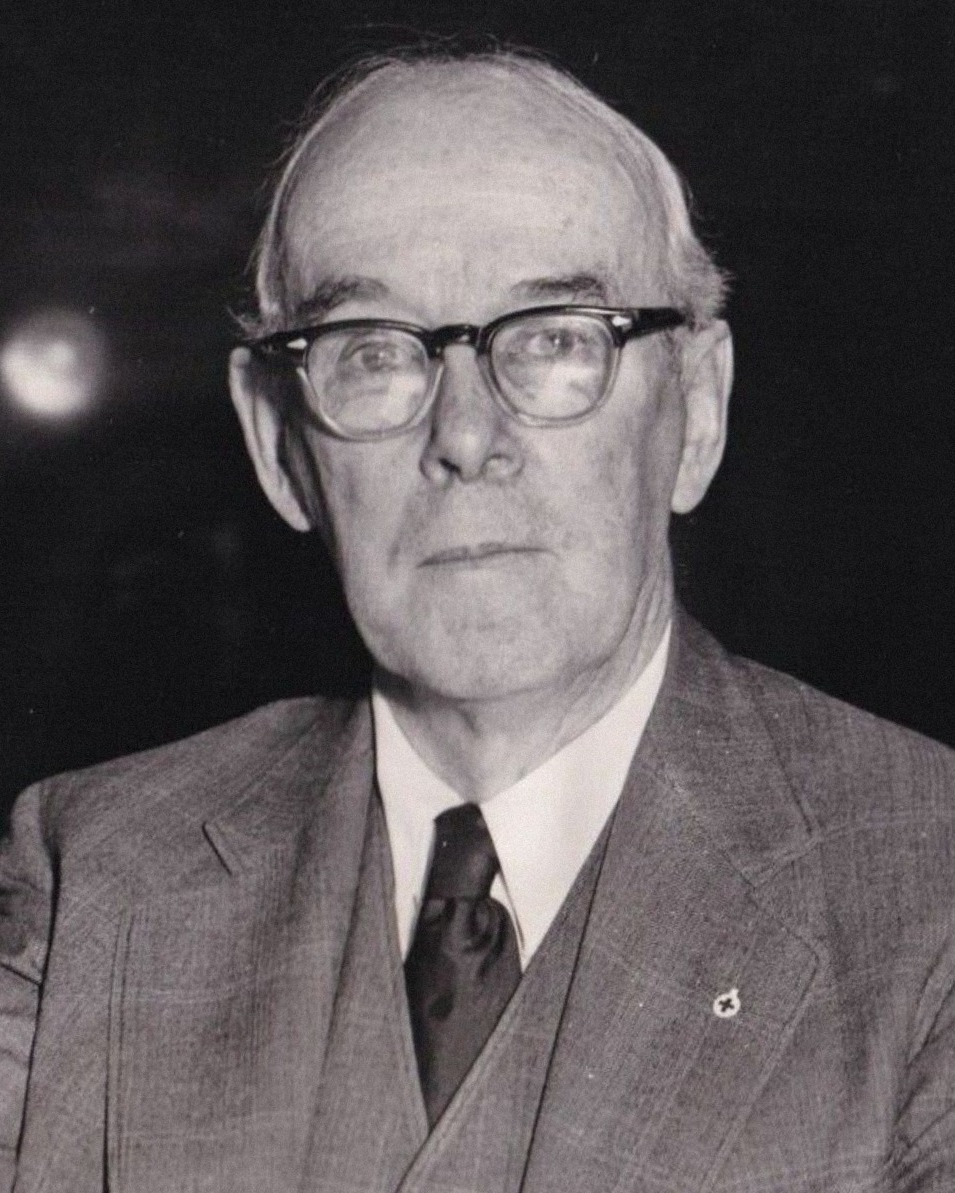
Charles W. Tobey
U.S.A.

Social Media

Personal Background
Charles W. Tobey began his career in Boston, working as a clerk for insurance and banking firms before transitioning to farming in Temple, New Hampshire. He pursued his education at Roxbury Latin School but withdrew due to financial constraints. Tobey's political career started with his election to the New Hampshire House of Representatives in 1914, followed by leadership roles in the state legislature and eventually the governorship. He served in the United States House of Representatives and Senate, demonstrating adaptability in his policy stances and political ideology.
Political Ideas
Charles W. Tobey's political identity is marked by a blend of evolving ideologies and strategic adaptability, making him a unique figure in American politics. He oscillated between progressive and conservative stances, supporting early New Deal measures yet opposing Roosevelt's expansive executive power. Tobey's internationalist shift during World War II and his nuanced support for the establishment of a Jewish state in Palestine reveal a calculated approach to global affairs. His rhetorical style, characterized by a sharp tongue and independence, further complicates his ideological positioning, leaving many to wonder about the underlying rationale behind his policy shifts.