Clarence Dill
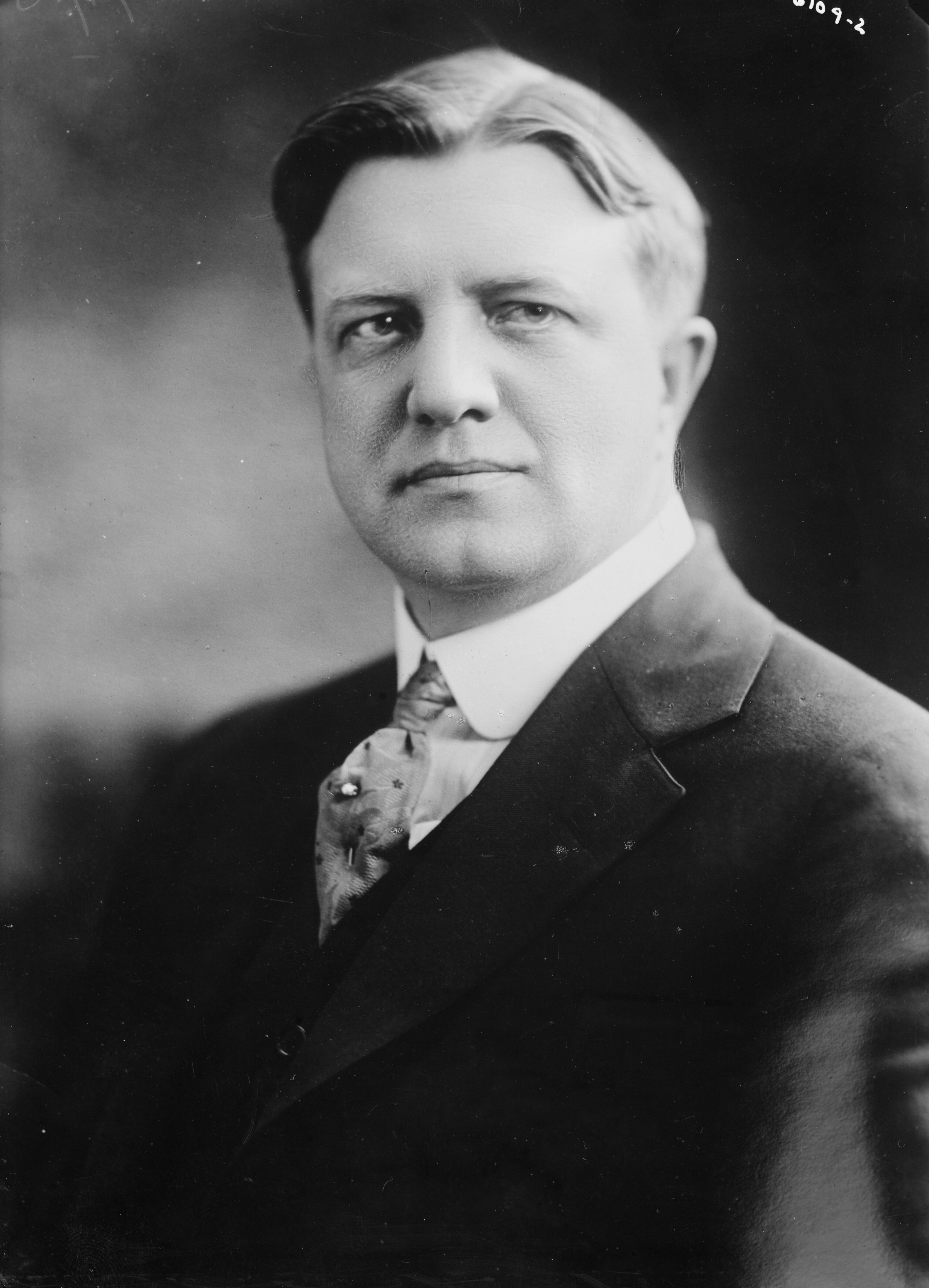
Clarence Dill
U.S.A.

Social Media

Personal Background
Clarence Dill completed his undergraduate studies in 1907 and later taught English and worked as a newspaper reporter. He pursued a legal career, becoming a lawyer in 1910, and subsequently entered public service. Dill spent significant time in legislative roles, where he focused on infrastructure and communications policy. His professional expertise included advocating for major public works projects and sponsoring key communications legislation.
Political Ideas
Clarence Dill's political philosophy reveals a unique blend of progressive ideals with a localized focus on regional economic interests. His legislative efforts, such as sponsoring the 1927 Radio Act and advocating for the Grand Coulee Dam, showcase a forward-thinking approach to infrastructure. Dill's surprising opposition to the 1917 declaration of war on Germany highlights a distinct pacifism that contrasts with his party's stance. His support for labor rights, particularly for non-operating train personnel, reveals a nuanced understanding of economic equity. Dill's political identity is intriguing for its calculated convergence of progressive and isolationist principles.