Claude Matthews
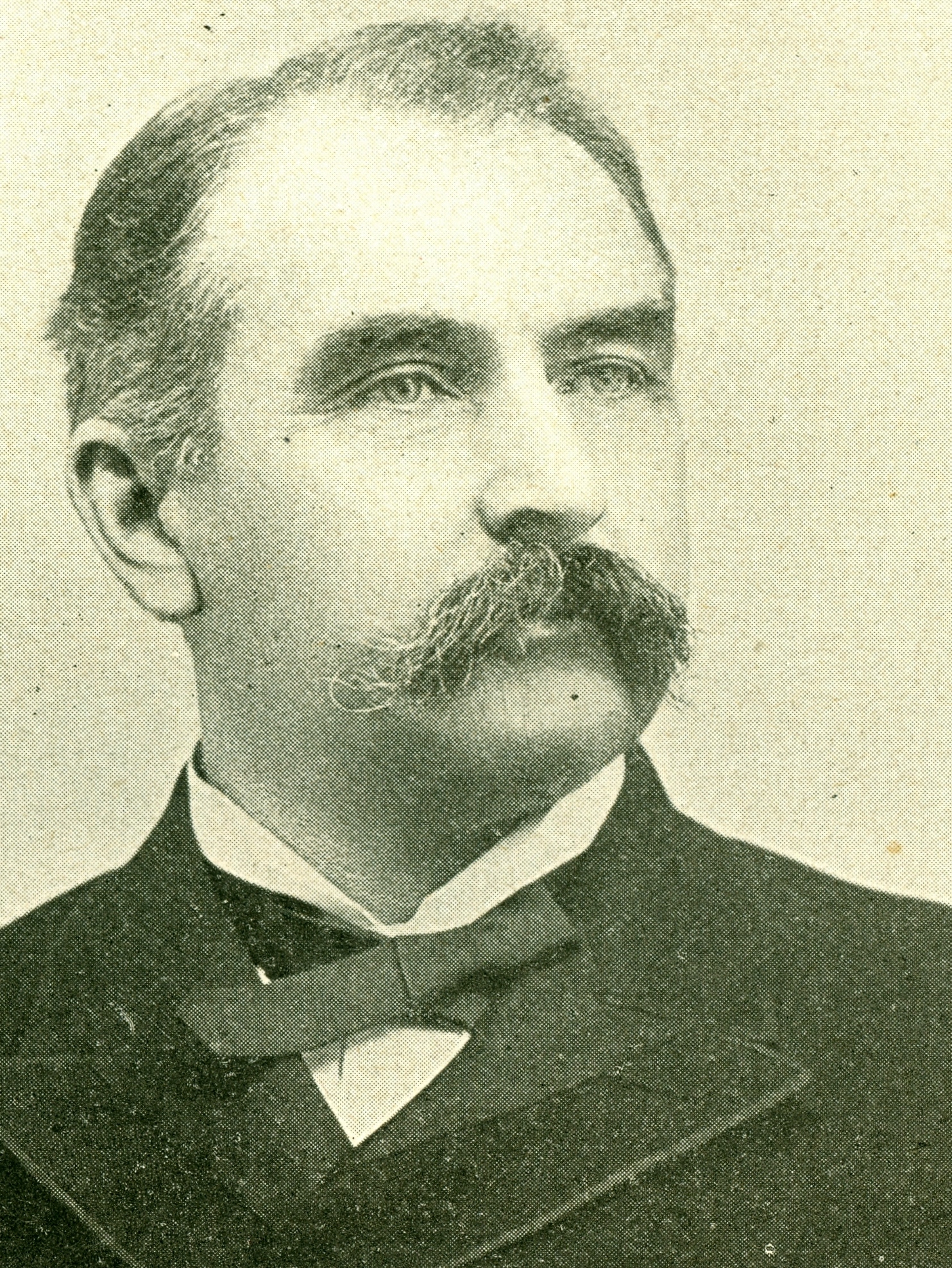
Claude Matthews
U.S.A.

Social Media

Personal Background
Claude Matthews graduated from Centre College in 1867 and established himself as a prominent breeder of cattle and horses, becoming a founding member of a national breeders' association. He transitioned from the private sector to politics, winning election as Indiana Secretary of State in 1890. Matthews served as Governor of Indiana from 1893 to 1897, during which he faced significant economic challenges, including the Panic of 1893, and took decisive actions to manage labor strikes. He also championed legislation to ban horse racing and prize fighting, reflecting his stance on entertainment and morality. Matthews' tenure was marked by legislative conflicts with the Republican-controlled General Assembly, including a notable veto that was overturned by the Indiana Supreme Court.
Political Ideas
Claude Matthews's political career is marked by an intriguing blend of economic populism and moral conservatism. His support for inflationary acts and unlimited silver coinage reveals a commitment to economic policies that were radical for his time, yet his simultaneous advocacy for banning horse racing and prize fighting highlights a surprising moral rigidity. Matthews's use of the militia to suppress labor strikes further complicates his stance, suggesting a calculated approach to protecting regional industrial interests. His legal battle against the Republican-controlled General Assembly over executive powers showcases a principled yet contentious approach to governance.