Cliff Finch
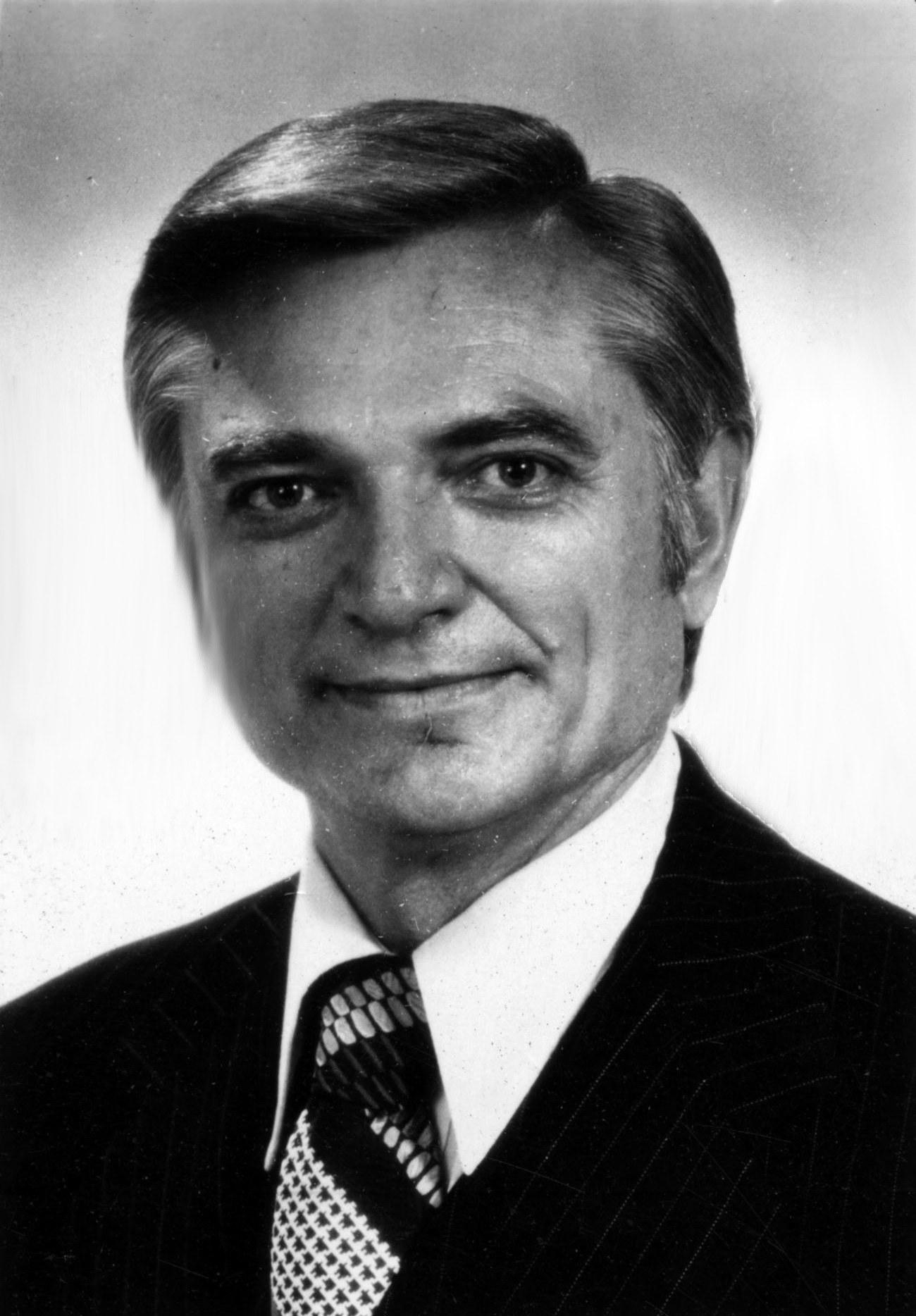
Cliff Finch
U.S.A.

Social Media

Personal Background
Cliff Finch served in the U.S. Army during World War II and later pursued higher education, graduating from the University of Mississippi School of Law. He established a law practice in Batesville, specializing in damage suits, which contributed to his financial success. Finch entered politics, serving in the Mississippi House of Representatives and as district attorney for the Seventeenth Judicial District. Despite an unsuccessful bid for lieutenant governor, he remained active in state politics and later declared a candidacy in the Democratic presidential primaries, though he withdrew due to insufficient traction. Finch's legacy includes his role in integrating and modernizing the state Democratic Party, moving it away from its segregationist past.
Political Ideas
Cliff Finch's political identity is marked by a complex blend of traditional segregationist views and a later role in modernizing the Democratic Party in Mississippi. Finch's early career was steeped in the racial segregation of the 1960s, yet his later efforts helped integrate and reform the state's Democratic Party. His economic background as a log hauler and heavy machinery operator during tough times adds a layer of working-class relatability to his political narrative. Finch's presidential campaign, though short-lived, highlights a calculated yet ultimately unsuccessful bid to transcend his regional roots for national influence.