Daniel Lindsay Russell
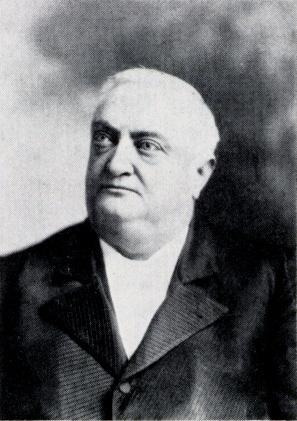
Daniel Lindsay Russell
U.S.A.

Social Media

Personal Background
Daniel Lindsay Russell holds a foundational background rooted in education, military service, and legal expertise. He attended Bingham School and the University of North Carolina at Chapel Hill, though his university tenure was interrupted by the Civil War. Commissioned as a captain in the Confederate Army, Russell later pursued a legal career, gaining admission to the bar and serving as a Superior Court judge. His political career includes significant roles in state and federal legislative bodies, and he was elected Governor of North Carolina.
Political Ideas
Daniel Lindsay Russell's political identity is marked by a complex blend of traditional Southern values and progressive Republican ideals. Despite his planter background, Russell aligned with the Republican Party and championed black voting rights, an unusual stance for his class. His legislative efforts to reduce property requirements for voters reflect a commitment to inclusivity that contrasts sharply with his failure to suppress the violent white riot in Wilmington, which led to a significant African American exodus. Russell's opposition to the 1899 disenfranchisement amendment further highlights a nuanced approach to civil rights, revealing a politician who navigates ideological tensions with calculated precision.