Daniel of St. Thomas Jenifer
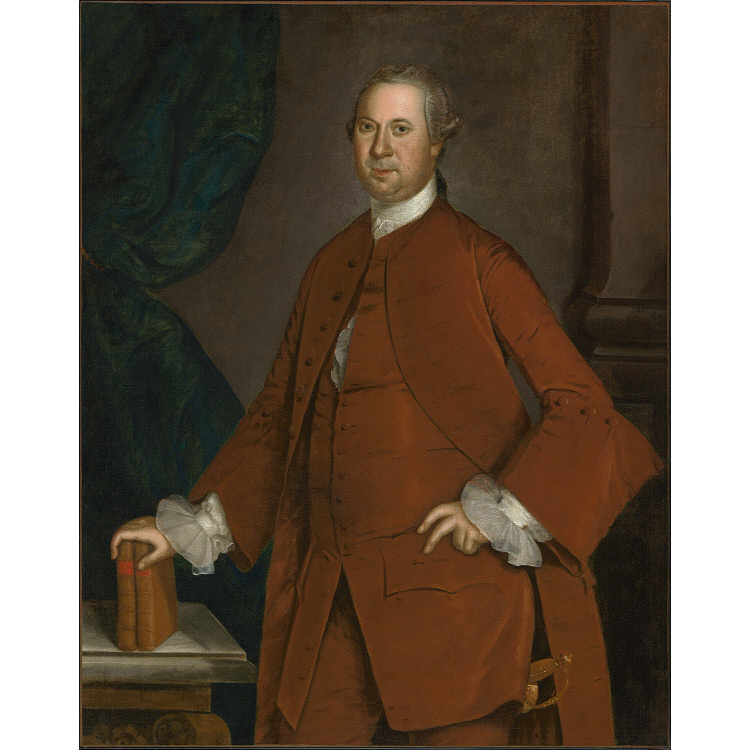
Daniel of St. Thomas Jenifer
U.S.A.

Social Media

Personal Background
Daniel of St. Thomas Jenifer began his career in public service as a justice of the peace in Charles County, Maryland, and later for the western circuit. He gained recognition for settling a boundary dispute between Pennsylvania and Delaware and served on the Governor's Council of Maryland. Jenifer played a pivotal role during the American Revolution, opposing Parliament's interference and managing Maryland's finances. He attended the Constitutional Convention, advocating for a strong central government and a Congress with taxing power, and contributed to the formulation of compromises. Jenifer's legacy includes his contributions to Maryland's governance and his post-death emancipation of his slaves.
Political Ideas
Daniel of St. Thomas Jenifer's political identity is marked by his advocacy for a robust central government, which he believed essential for economic stability and commercial growth. His strategic approach to governance is underscored by his support for a three-year term for the U.S. House of Representatives, aiming to reduce election frequency and ensure seasoned leadership. Notably, Jenifer's stance on social issues reveals a progressive element, as he freed his slaves posthumously, which contrasts with the prevailing norms of his era.