Daniel Rodney
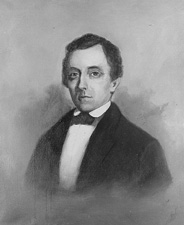
Daniel Rodney
U.S.A.

Social Media

Personal Background
Daniel Rodney, born into a prominent family in Lewes, Delaware, demonstrated early entrepreneurial spirit by owning a ship before the age of 21. Despite limited formal education, he gained experience as a sailor and merchant. Rodney transitioned into public service, serving as a Judge in the Court of Common Pleas and as a Trustee of the Poor, showcasing his commitment to community leadership. His political career included a near-miss in a gubernatorial race, followed by a term as Governor of Delaware and brief stints in the U.S. House of Representatives and Senate. Rodney's dedication to public service extended to his role as a trustee for Wilmington College, reflecting his support for educational advancement.
Political Ideas
Daniel Rodney's political identity is marked by an intriguing blend of Federalist economic principles with a localized approach to military and defense. His support for a strong central government to bolster commerce contrasts with his focused defense initiatives for Delaware during the War of 1812, revealing a calculated strategy to protect regional interests. Rodney's limited formal education did not hinder his dedication to educational institutions, as evidenced by his role as a trustee of Wilmington College. His close, yet narrow, loss in the gubernatorial race in 1810 and subsequent narrow electoral college votes for Vice President in 1820 showcase a political career marked by near-misses and strategic resilience.