Davis Hanson Waite
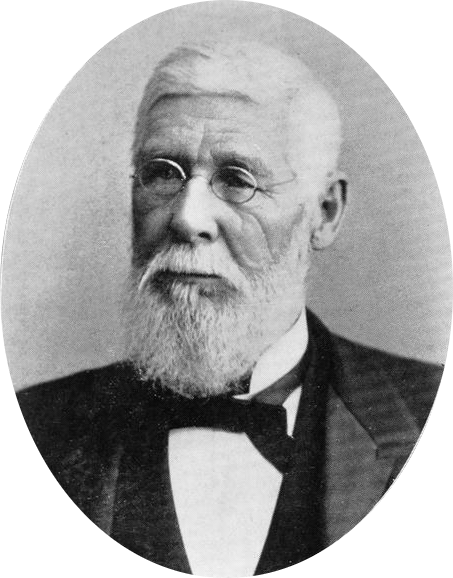
Davis Hanson Waite
U.S.A.
Social Media

Personal Background
Davis Hanson Waite was born in 1825 in Jamestown, New York, and later served in state legislatures in Wisconsin and Kansas. He relocated to Colorado, where he became a prominent figure in the Populist movement. Waite's professional background includes significant involvement in labor movements, particularly supporting the Western Federation of Miners and the American Railroad Union. He was also a key advocate for women's suffrage in Colorado, contributing to its successful passage in 1894. Waite's leadership was marked by his efforts to reform local government and challenge corruption, as evidenced by his involvement in the "City Hall War" in Denver.
Political Ideas
Davis Hanson Waite's political identity is marked by a fierce commitment to labor rights and a willingness to challenge entrenched power structures, even at great personal risk. His support for the silver mining industry and labor unions during economic turmoil reveals a protective stance toward regional economic interests. Waite's advocacy for women's suffrage in Colorado and his efforts to decentralize power in Denver suggest a broader ideological flexibility and a focus on grassroots democracy. His dramatic rhetoric, exemplified by his "Bloody Bridles" speech, underscores a readiness to defend civil liberties through unconventional means.