Dewitt Clinton Senter
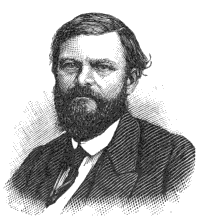
Dewitt Clinton Senter
U.S.A.

Social Media

Personal Background
Dewitt Clinton Senter, born in 1830 in McMinn County, Tennessee, was the son of a Methodist minister and U.S. House Representative. He pursued legal studies and early political involvement, representing Grainger County in the Tennessee House of Representatives. Senter opposed secession and was jailed during the Civil War, later becoming a Republican elector. Post-war, he served in the Tennessee Senate and as Speaker, focusing on economic recovery and infrastructure. As Governor, he addressed state debt, pursued Klan suppression, and supported voting rights restoration for former Confederates. He also established the Tennessee Immigration and Labor Association to bolster the economy.
Political Ideas
Dewitt Clinton Senter's political identity is marked by a complex blend of progressive economic policies and conservative social stances. He advocated for prison reform to alleviate the financial burden on the state while simultaneously supporting initiatives that indirectly aided struggling railroads. Senter's establishment of the Tennessee Immigration and Labor Association aimed at boosting property tax revenues through immigration, yet he simultaneously pushed for separate schools for white and black children during the 1870 state constitutional convention. His efforts to restore voting rights to former Confederates, despite legal restrictions, reveal a strategic balancing act between reconciliation and maintaining political power.