Duncan McArthur
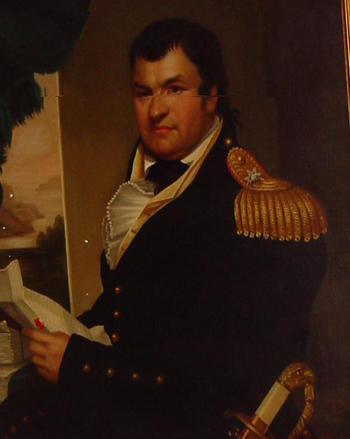
Duncan McArthur
U.S.A.

Social Media

Personal Background
Duncan McArthur, born to Scottish immigrants in 1772, gained early experience in military and surveying roles during the Northwest Indian War and the establishment of Chillicothe, Ohio. He transitioned from private sector wealth accumulation through land speculation to public service, including a notable appointment as brigadier general in the U.S. Army. McArthur's leadership was further demonstrated through his negotiation of the Treaty of Fort Meigs, which secured peace and land cessions with Native American tribes. His political career included a term in the United States House of Representatives and a single term as governor of Ohio.
Political Ideas
Duncan McArthur's political identity is marked by an intriguing blend of military pragmatism and diplomatic finesse, particularly in his dealings with Native American tribes. His negotiation of the Treaty of Fort Meigs reveals a strategic approach to regional stability, balancing military strength with peaceful coexistence. McArthur's abrupt rejection of his military commission after the surrender at Detroit underscores a principled rigidity that clashes with conventional military loyalty. His limited tenure in elected offices, despite notable military and surveying accomplishments, hints at a political career driven by specific, perhaps regional, objectives rather than a broader ambition for power.