Earl Snell
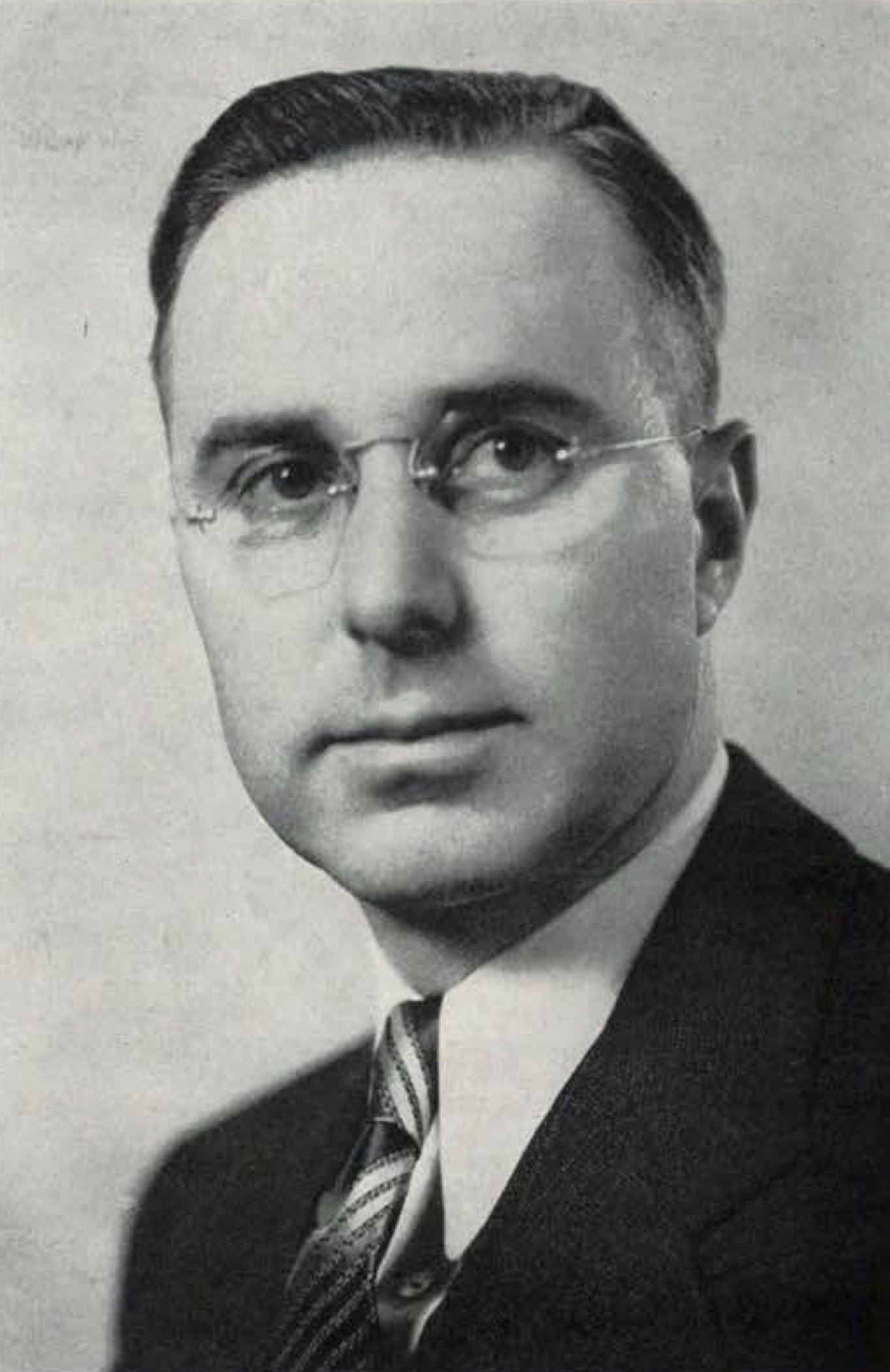
Earl Snell
U.S.A.

Social Media

Personal Background
Earl Snell's foundational background is marked by a diverse array of professional experiences and leadership roles. He began his career in the private sector, managing an automobile dealership and expanding his business interests to include ranching and banking. His education was grounded in public schooling and a private institution in Portland. Snell's leadership acumen was further honed through his military service and his role in local governance, serving on the Arlington City Council. His transition to public service saw him elected to the Oregon House of Representatives, where he eventually served as Speaker. This progression culminated in his tenure as Oregon Secretary of State and Governor, where he focused on conservationist measures, public works, and economic expansion.
Political Ideas
Earl Snell's political philosophy reveals an intriguing blend of progressive economic policies and regressive civil rights positions. His support for public works and relief programs aligns with New Deal ideals, yet his endorsement of Japanese-American internment exposes a stark contradiction. Snell's legislative record shows an unexpected convergence with opposing factions on environmental regulations, revealing a highly calculated approach to protecting regional industrial interests.