Earle Clements
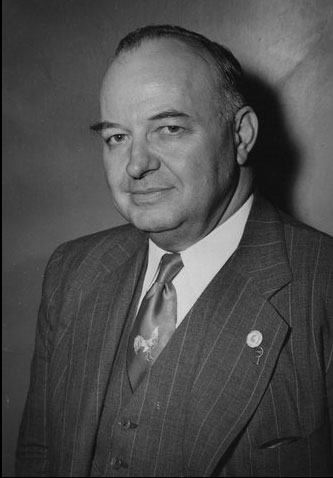
Earle Clements
U.S.A.

Social Media

Personal Background
Earle Clements, born in 1896 in Morganfield, Kentucky, established a robust educational foundation, graduating from Morganfield High School and attending the University of Kentucky's College of Agriculture. He demonstrated early leadership as an athlete and fraternity member, and his military service in the U.S. Army honed his discipline and strategic thinking. Post-war, Clements transitioned from oil field work to public service, initially as a deputy sheriff and later in various local government roles. His political career advanced from local offices to the U.S. House of Representatives, where he championed New Deal policies and civil rights. Clements' tenure as governor saw significant tax reforms, infrastructure improvements, and educational advancements. His subsequent service in the U.S. Senate included leadership roles within the Democratic party and efforts to combat pollution and regulate tobacco.
Political Ideas
Earle Clements’s political career reveals a strategic blend of progressive fiscal policies with cautious civil rights advancements. His tenure as governor saw a reduction in taxes on stocks and bonds while increasing levies on gasoline and spirits, suggesting a nuanced approach to economic management. Clements’s support for infrastructure and education funding aligns with progressive ideals, yet his actions on civil rights—weakening segregation laws and opposing the Southern Manifesto—indicate a deliberate, measured pace toward racial equality. His creation of the Ohio River Sanitation Commission underscores a forward-thinking stance on environmental issues, while his later role in tobacco regulation highlights a complex relationship with industry interests. These varied policy positions and calculated steps suggest a politician who balances progressive ambitions with pragmatic considerations.