Earle Ford
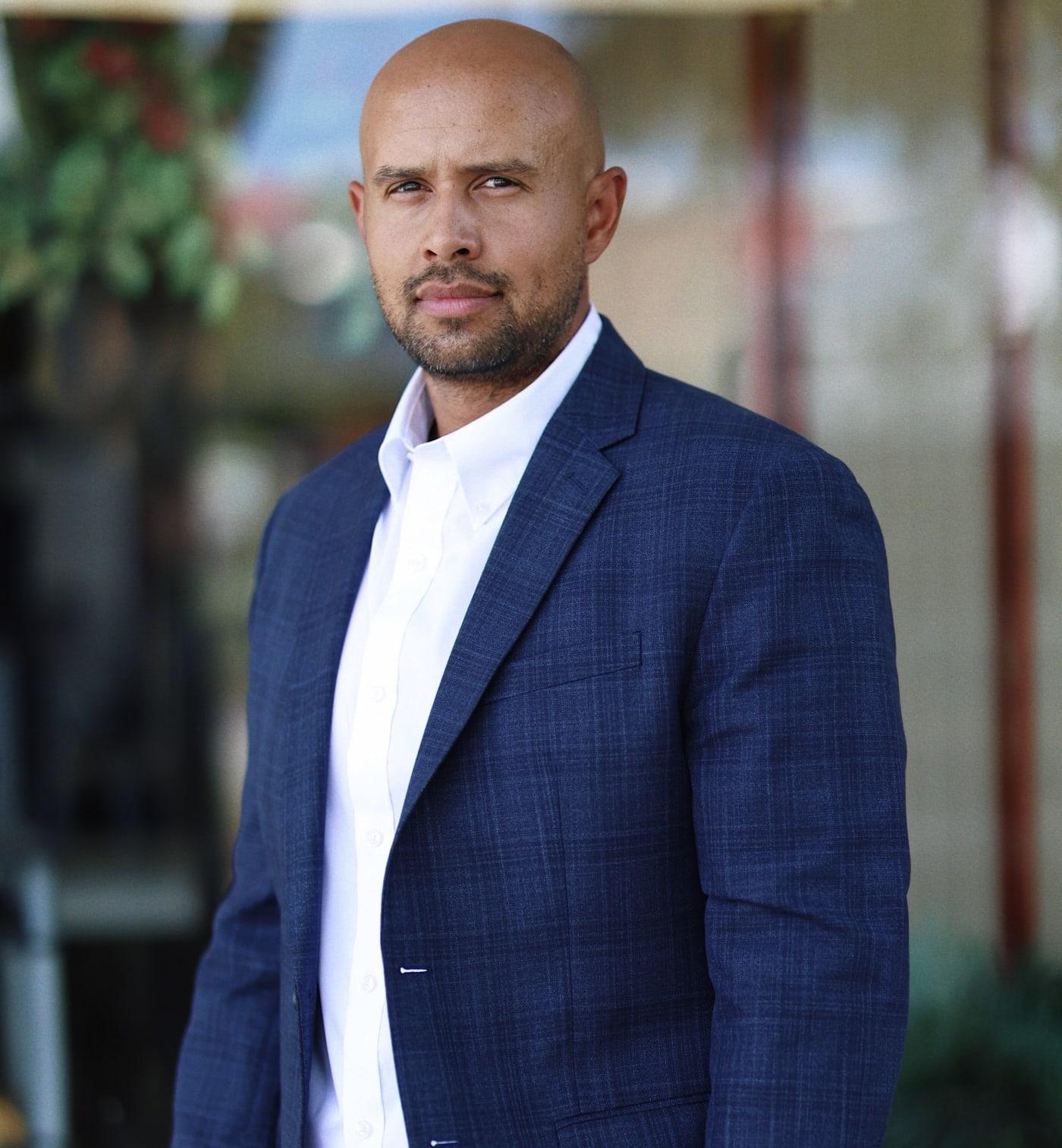
Earle Ford
U.S.A.

Personal Background
Earle Ford has a robust background rooted in military service, legal expertise, and public sector experience. After growing up in a military family, Ford pursued a career in law, which included working with the Department of Veterans Affairs and serving as a prosecutor. His federal service involved investigating tax practices at the IRS, where he exposed loopholes benefiting the wealthy. These experiences collectively underscore Ford's commitment to accountability and public service.
Political Ideas
Earle Ford's political identity is marked by a blend of progressive tax policies aimed at the ultra-wealthy and a robust focus on social welfare, particularly for seniors and veterans. Ford's legislative proposals, such as taxing loans and gains for the wealthy and expanding healthcare services for veterans, reveal a calculated approach to addressing economic inequality while bolstering community support systems. His unexpected convergence on environmental policies with seemingly opposing factions suggests a highly localized strategy to protect regional interests. Earle Ford's approach, balancing stringent accountability for the affluent with extensive social programs, presents an intriguing tension between punitive measures and community enhancement.