Ebenezer J. Ormsbee
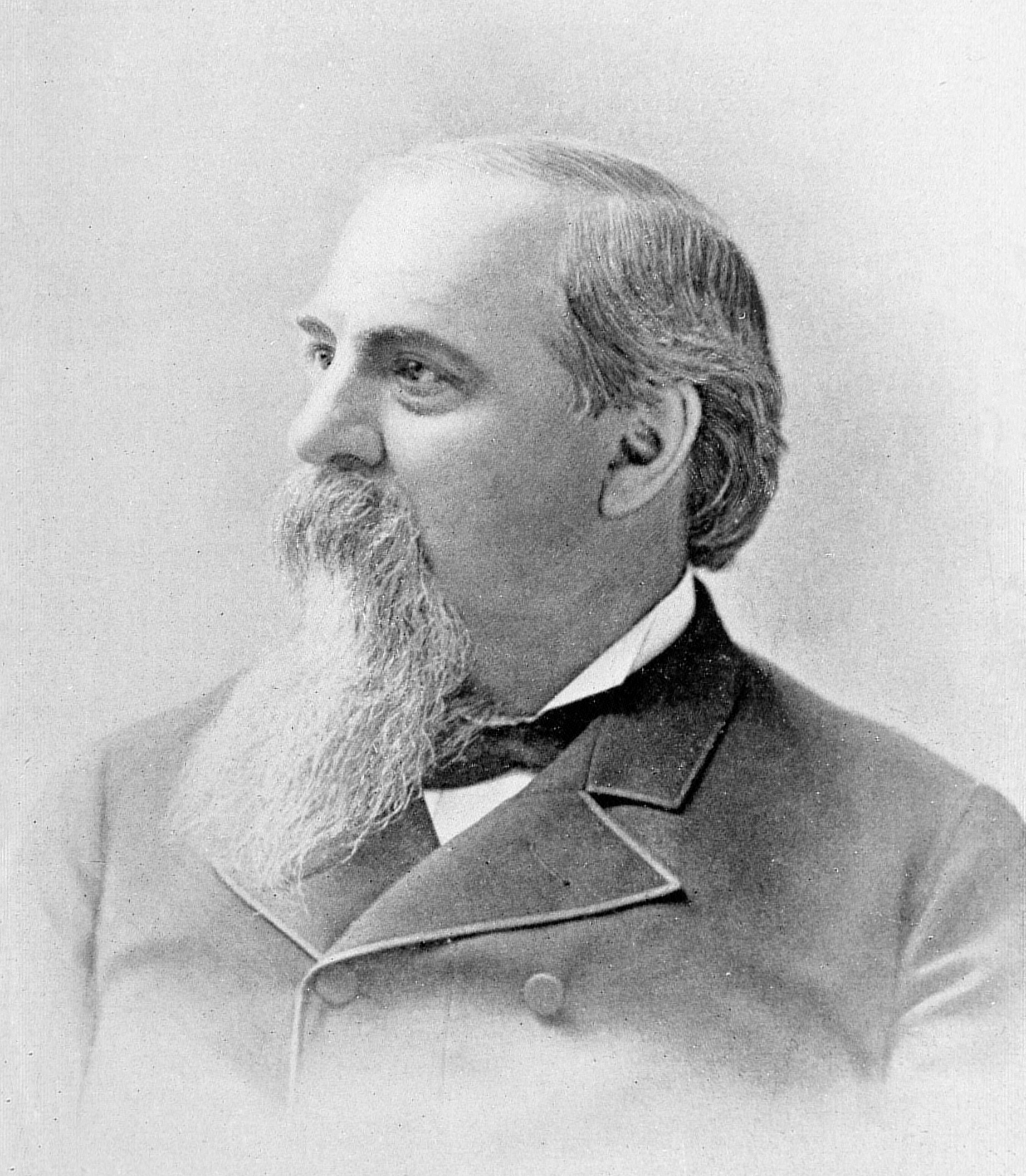
Ebenezer J. Ormsbee
U.S.A.

Social Media

Personal Background
Ebenezer J. Ormsbee was born in 1834 in Shoreham, Vermont, and studied law in Brandon. He served in the Union Army during the Civil War, including participation in the Battle of Gettysburg. Following his military service, Ormsbee practiced law and held various political offices, such as Rutland County State's Attorney and positions in the Vermont General Assembly. He later transitioned to federal roles, negotiating land claims in Samoa and serving on commissions related to Native American affairs. Ormsbee also supported notable presidential campaigns and held leadership roles in civic and banking sectors.
Political Ideas
Ebenezer J. Ormsbee's political identity is marked by a blend of traditionalism and calculated pragmatism, particularly in his opposition to Confederate symbols and his nuanced approach to Native American land negotiations. Ormsbee's stance against President Grover Cleveland's proposal to return Confederate battle flags reveals a deeply rooted commitment to the Union cause, yet his willingness to negotiate land claims with the Paiute Indians at Pyramid Lake Reservation indicates a pragmatic, localized approach to complex issues. His legislative record in Vermont shows an unexpected convergence with opposing factions on education reforms, hinting at a highly calculated strategy to achieve regional stability. Ormsbee's rhetorical style consistently emphasizes historical fidelity and regional interests, making his policy positions both intriguing and worthy of deeper exploration.