Edgar Whitcomb
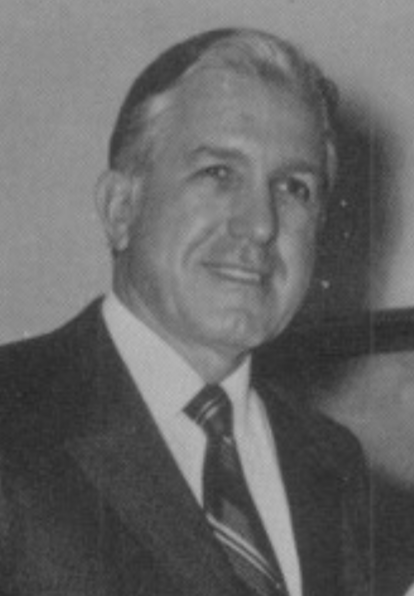
Edgar Whitcomb
U.S.A.

Social Media

Personal Background
Edgar Whitcomb graduated from Indiana University's Robert H. McKinney School of Law and served as an aerial navigator in the U.S. Army Air Corps during World War II, where he was captured and escaped twice. Following his military service, he practiced law and entered politics, serving in the Indiana Senate and as Secretary of State before becoming Governor of Indiana. During his tenure as governor, Whitcomb managed to increase tax revenue and reduce the state workforce without raising tax rates. Post-governorship, he pursued further legal practice and maritime adventures, including a transatlantic crossing and an aborted around-the-world sailing attempt.
Political Ideas
Edgar Whitcomb's political identity is marked by a unique blend of fiscal conservatism and operational efficiency, achieved without raising tax rates or increasing state expenditures. His approach to government reform, including cost-cutting measures and technological upgrades, reveals an ideologically agile strategy that balances budgetary prudence with modernization. Whitcomb's surprising alignment with opposing factions on environmental regulations hints at a calculated approach to protecting regional industrial interests. His rhetorical style likely emphasizes resilience and strategic foresight, drawing from his wartime experiences and subsequent career.