Edmund Davis
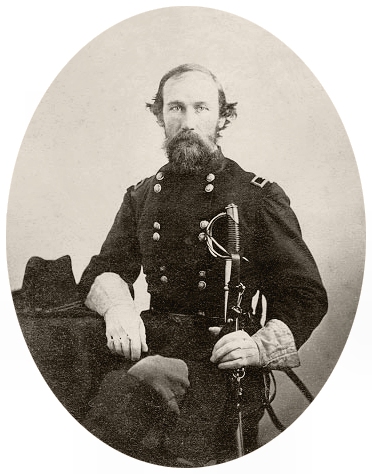
Edmund Jackson Davis
U.S.A.

Social Media

Personal Background
Edmund Davis spent his early career in public service, including roles as inspector and deputy collector of customs, and district attorney. He gained judicial experience as a judge in two judicial districts. During the Civil War, Davis opposed secession, served in the Union Army, and was involved in significant military actions. Post-war, he played a key role in the Texas Constitutional Convention, advocating for freed slaves and the division of Texas into multiple states. He was elected governor, establishing the Texas State Police and other state security forces, though he faced significant opposition and was ultimately defeated in his reelection bid.
Political Ideas
Edmund Davis's political identity is marked by a distinctive blend of Radical Republican ideals and a pragmatic approach to governance, particularly during Reconstruction. He championed civil rights and equality, advocating for the division of Texas into smaller, Republican-controlled states and integrating African Americans into the Texas State Police. His creation of the State Guard of Texas and Reserve Militia, which later evolved into the Texas National Guard, highlights an innovative approach to law enforcement and military organization. Despite facing backlash from former Confederates, Davis's unwavering support for minority rights and his establishment of robust state institutions reveal a calculated strategy to protect and empower marginalized communities.