Edward Clark
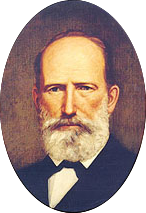
Edward Clark
U.S.A.

Social Media

Personal Background
Edward Clark grew up in Georgia and Alabama, studying law after relocating following his father's death. He established a law practice in Texas and participated in the Texas Annexation Convention. Clark served in various political roles, including state representative and lieutenant governor, before becoming Governor of Texas during the Civil War. His tenure focused on enlisting troops, procuring supplies, and stabilizing finances. Despite his efforts, he lost reelection in 1861. Post-war, Clark served in the military and militia, eventually settling in Marshall, Texas.
Political Ideas
Edward Clark's political identity is marked by a blend of regional pragmatism and rigid wartime leadership. His tenure as Governor of Texas during the Civil War reveals a highly localized approach, focusing on enlisting troops and securing the frontier, while his demand for Confederate troops highlights a strategic alignment with broader Confederate objectives. Clark's surprising policy stance came with his order for the surrender of all firearms and ammunition from private merchants, showcasing an unexpected authoritarian streak in governance. His legislative record reveals a calculated approach to regional industrial interests, balancing between state autonomy and Confederate needs.