Edward Harris
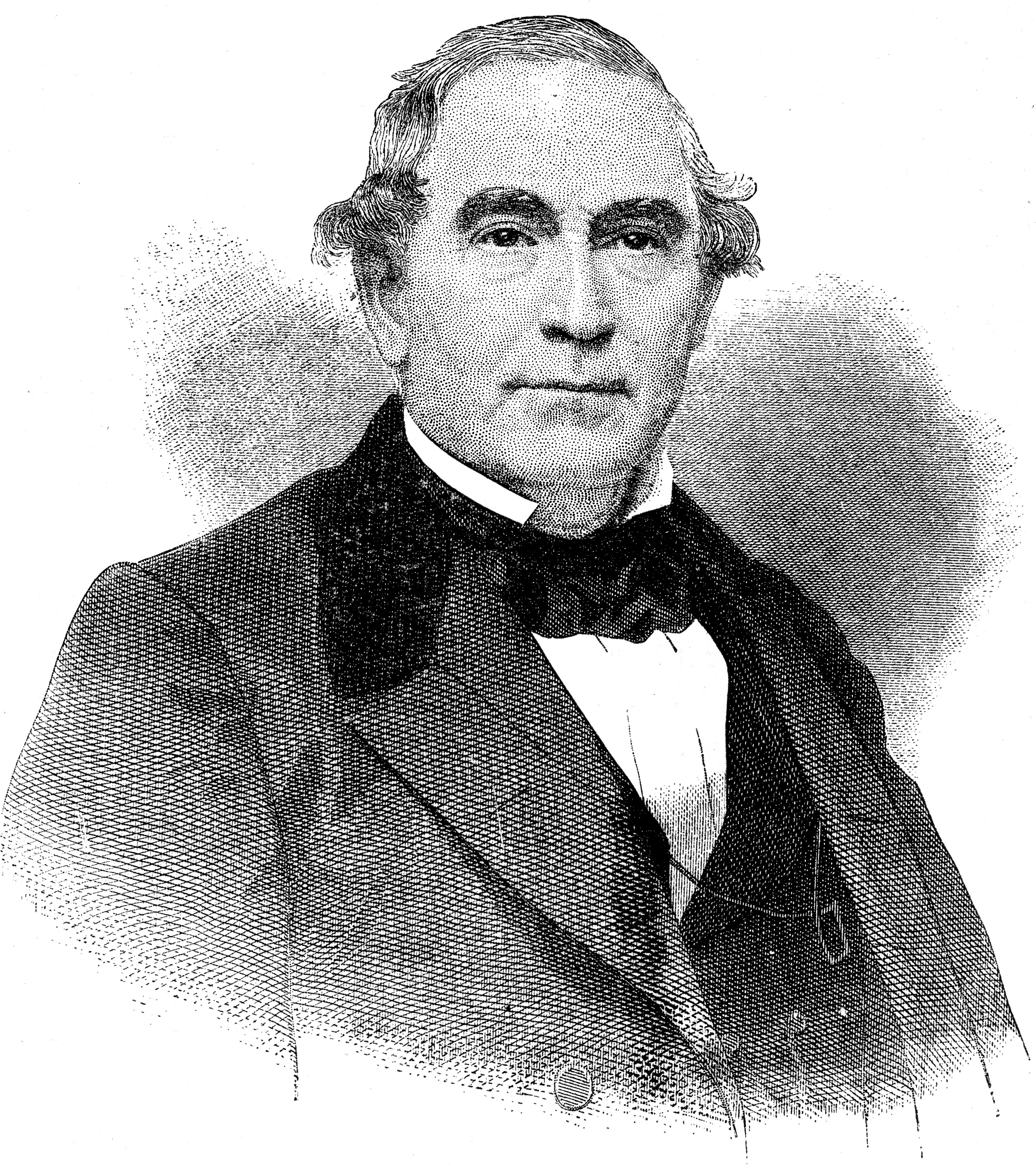
Edward Harris
U.S.A.

Social Media

Personal Background
Edward Harris began his career on a family farm in New York before relocating to Ohio and eventually Rhode Island, where he established a successful milling business. He transitioned into public service, serving in the Rhode Island State Senate and House of Representatives, where he advocated for abolitionism and temperance. Harris made significant contributions to public infrastructure and education in Woonsocket, including funding for new roads and the Harris Institute. He demonstrated leadership by hosting notable figures such as Abraham Lincoln and supporting John Brown post-conviction.
Political Ideas
Edward Harris combines a radical abolitionist stance with a surprising commitment to temperance, revealing an ideological consistency that prioritizes moral reform. His support for John Brown, even after Brown's violent actions at Harper's Ferry, suggests a willingness to back extreme measures for deeply held beliefs. Harris's substantial contributions to public infrastructure in Woonsocket, including educational and civic buildings, indicate a localized approach to governance that marries personal wealth with community investment.