Edward L. Jackson
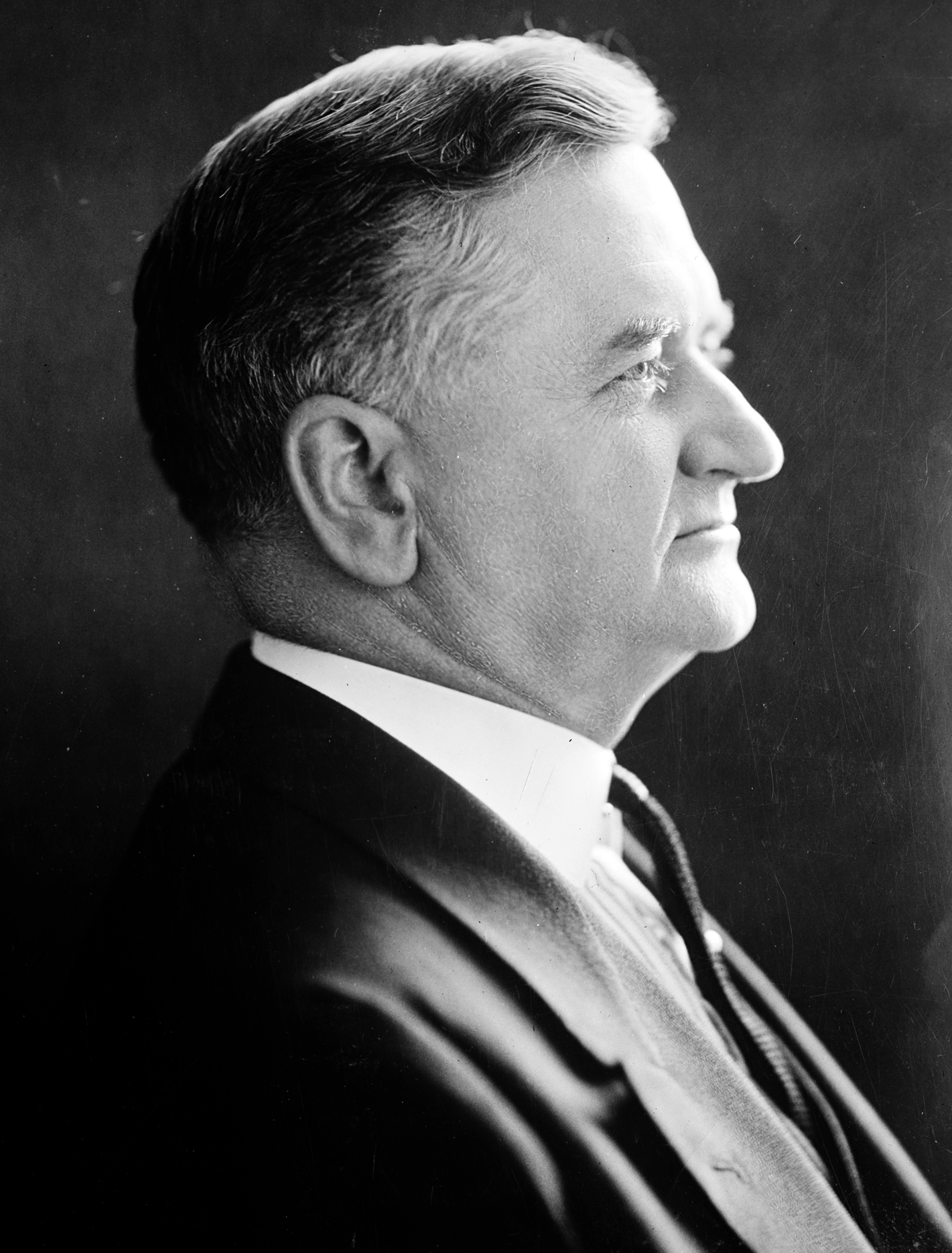
Edward L. Jackson
U.S.A.

Social Media

Personal Background
Edward L. Jackson began his career in public service after passing the bar and establishing a law practice. He served as a prosecutor and later as a county circuit court judge before being elected as Indiana Secretary of State. His tenure as governor was marked by a focus on economic management, debt payoff, and tax reduction, alongside increased attention to conservation efforts. Jackson's career included a period of military service and later a move to private life, where he engaged in agriculture.
Political Ideas
Edward L. Jackson's political career reveals a complex interplay between economic conservatism and ideological pragmatism, particularly in his handling of the Ku Klux Klan's influence. His economic policies during his governorship focused on debt reduction and tax cuts, yet he strategically engaged with the Klan to secure political power. Jackson's approach to conservation, marked by the establishment of state parks, contrasts with his otherwise fiscally conservative agenda, suggesting a nuanced prioritization of regional interests. His behind-the-scenes negotiations with the Klan, including bribery offers, highlight a calculated approach to managing external pressures, raising questions about the ethical boundaries he was willing to cross for political gain.