Elihu Jackson
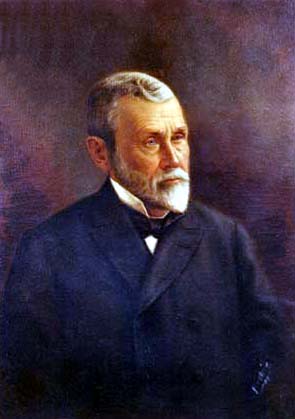
Elihu Emory Jackson
U.S.A.

Social Media

Personal Background
Elihu Jackson, born in Delmar, Maryland in 1837, amassed a significant fortune through his involvement in the lumber business. He demonstrated a commitment to historical preservation and state unity, participating in the dedication of monuments at the Gettysburg Battlefield and supporting the adoption of a new Maryland state flag in 1904. Jackson served as the 41st governor of Maryland from 1888 to 1892, during which he advocated for reconciliation and unity in the state. His family background as Southern Methodists and Southern sympathizers influenced his perspectives on state heritage and historical preservation.
Political Ideas
Elihu Jackson's political philosophy is steeped in a nuanced approach to historical reconciliation and regional identity. His advocacy for the adoption of Maryland's new state flag during a period of post-Civil War recovery highlights a strategic blend of historical symbolism and state unity. Jackson's support for historical preservation, coupled with his balanced stance at Gettysburg ceremonies, reveals an ideological agility that transcends traditional partisan divides. This unexpected convergence of interests suggests a deeply localized approach to policymaking, balancing regional heritage with broader national narratives.