Emerson Etheridge
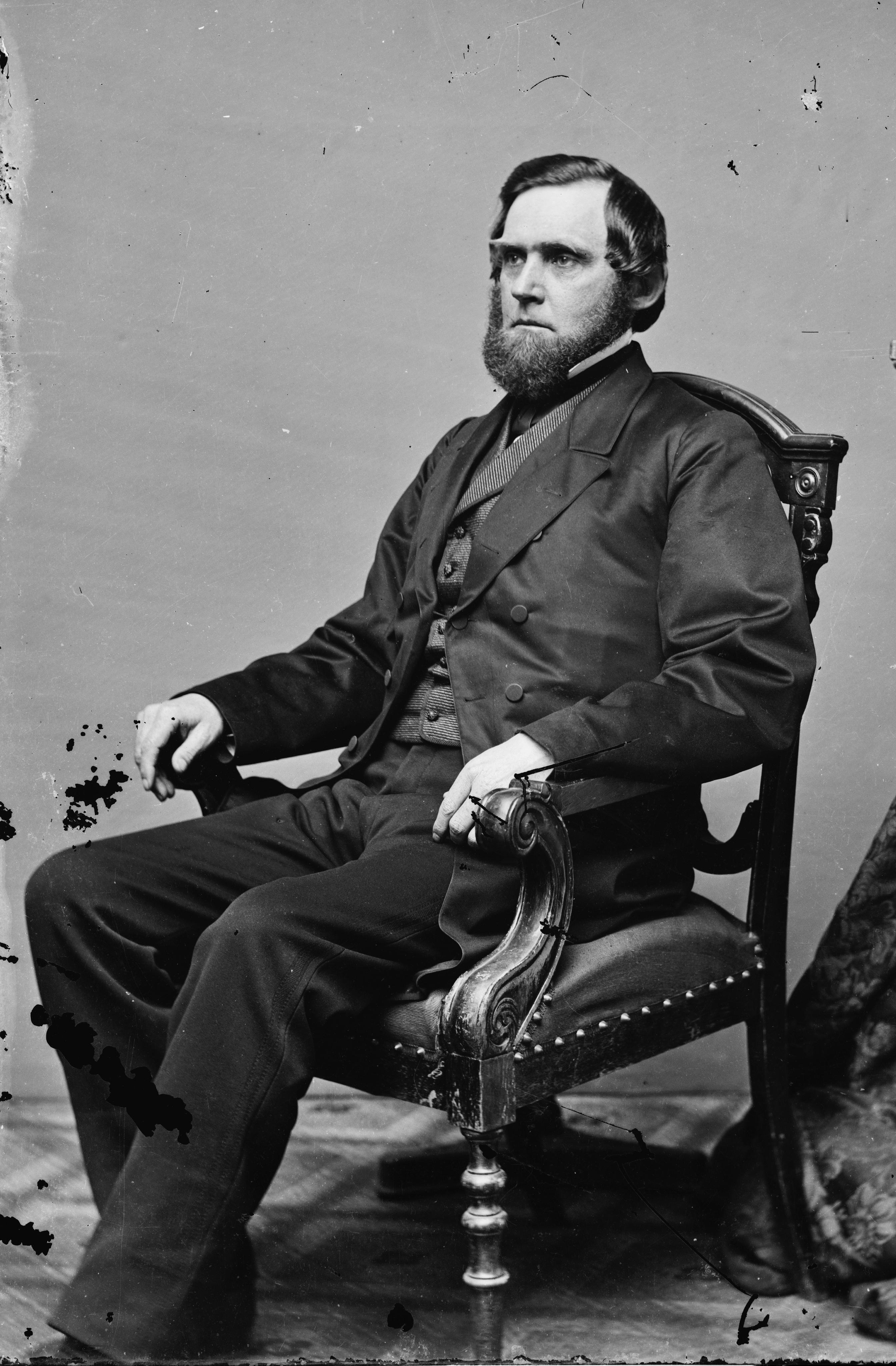
Emerson Etheridge
U.S.A.
Social Media

Personal Background
Emerson Etheridge began his career as a teacher before studying law and being admitted to the bar in the mid-19th century. He held various political positions, including serving as Clerk of the Tennessee House of Representatives and representing Tennessee in Congress. Etheridge was a vocal opponent of the expansion of slavery and the Kansas-Nebraska Act, and he later joined the nativist American Party. Despite his opposition to secession, he turned against the Lincoln Administration following the Emancipation Proclamation. After the Civil War, Etheridge continued his political career, running for governor and serving in the Tennessee Senate, where he advocated for the repudiation of the state's debt and the extension of voting rights to former Confederates.
Political Ideas
Emerson Etheridge's political identity is marked by a complex blend of regionalism and ideological fluidity. He initially opposed the expansion of slavery and the Kansas-Nebraska Act, yet his later opposition to the Emancipation Proclamation reveals a calculated stance aimed at preserving Southern Unionist interests. His support for a "Border States Plan" to maintain slavery within the Union underscores a unique approach to sectional conflict, balancing preservationist goals with a nuanced view of federal authority.