Emery J. San Souci
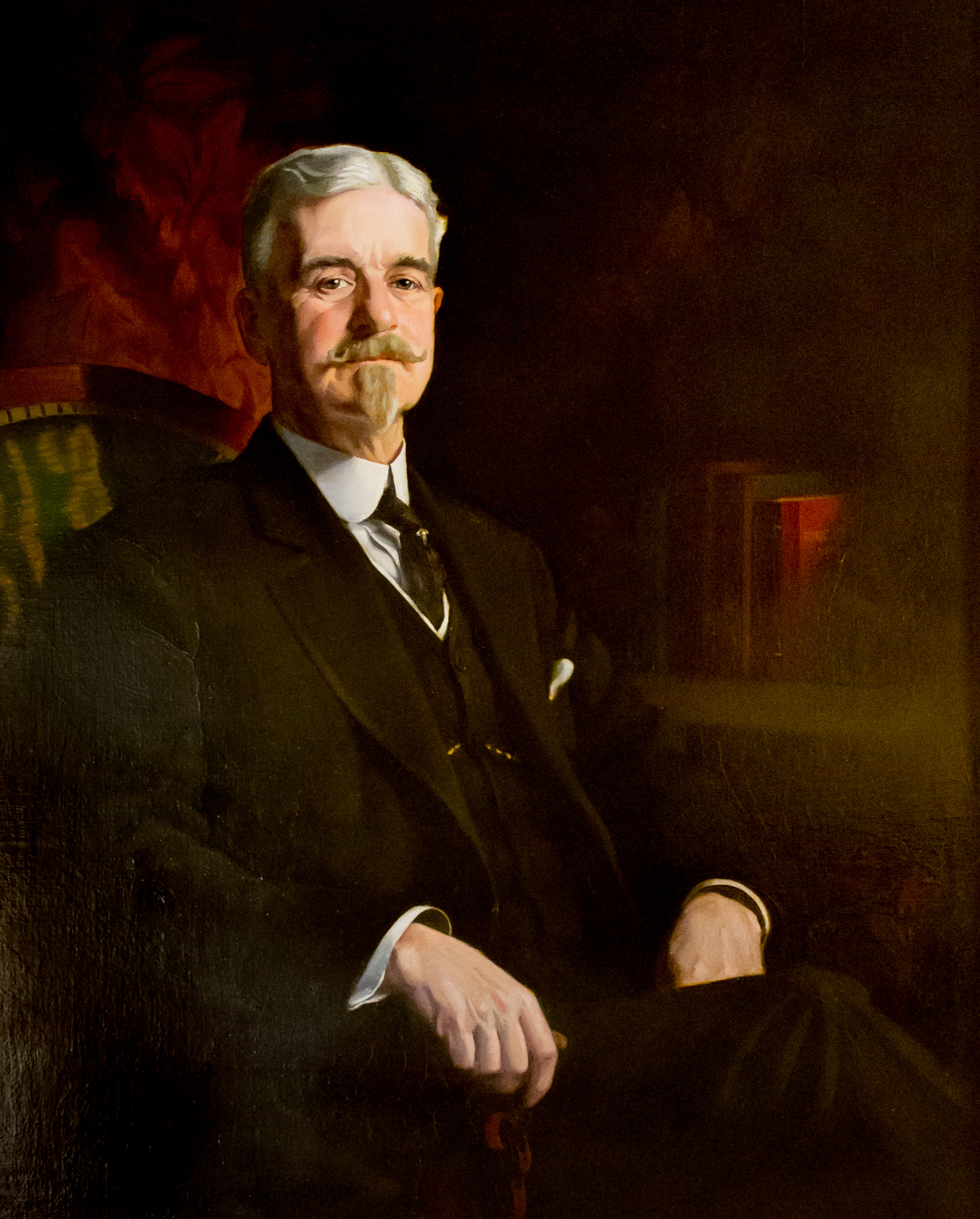
Emery J. San Souci
U.S.A.

Social Media

Personal Background
Emery J. San Souci began his career in the shoe industry, later transitioning to public service. He served on the Providence City Council and as Lieutenant Governor of Rhode Island before being elected Governor in 1921, the first year women could vote in state elections. San Souci held the position of Collector of the Port of Providence for over a decade, appointed by President Harding and retained through multiple administrations. His career reflects a blend of private sector experience and public service leadership.
Political Ideas
Emery J. San Souci's political career reveals a unique blend of traditional Republican values with progressive elements, particularly in his advocacy for small business growth and his unexpected support for labor actions. San Souci's backing of the state militia during the 1922 textile strike contrasts sharply with typical Republican stances on labor, suggesting a complex approach to economic policy. His election as Governor in 1921, the first year women could vote in Rhode Island, highlights a strategic alignment with emerging female voters, yet his later policy decisions seem to diverge from full advocacy for women's rights. This duality invites deeper examination into how he reconciles these positions.