Ernest Untermann
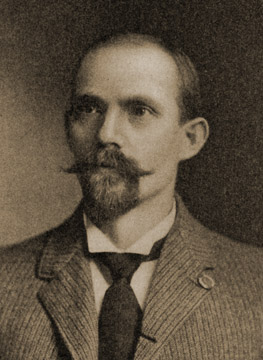
Ernest Untermann
U.S.A.
Social Media

Personal Background
Ernest Untermann was born in 1864 in Soldin, Brandenburg, Kingdom of Prussia. He pursued higher education in geology and paleontology at the University of Berlin, later becoming a U.S. citizen in 1893. Untermann engaged in maritime work, sailing extensively and experiencing shipwrecks before transitioning to political activism. He contributed significantly to socialist literature, translating Karl Marx's *Das Kapital* and authoring several books on economics and natural history. Untermann also held leadership roles within socialist political parties and served as Foreign Editor for *Milwaukee Leader*.
Political Ideas
Ernest Untermann's political identity is marked by a unique blend of ideological rigor and pragmatic flexibility. He advocates for labor unions while opposing more radical labor factions, suggesting a calculated approach to industrial relations. His stance on immigration reveals an unexpected tension between his exclusionary proposals and the Socialist Party's broader inclusive values. Untermann's deep engagement with Marxist theory and his critique of "bourgeois science" highlight a commitment to revolutionary ideals tempered by a nuanced understanding of scientific freedom in capitalist contexts.